
XST Stock: Why This Ticker Points to Four Completely Different Companies

 Prefer us on Google


Type "XST stock" into a search engine, and the results won't sort themselves out for you. Depending on which exchange, which country, and which asset class the source is pulling from, "XST" can mean an oil and gas explorer in Australia, a consumer staples ETF in Canada, a small-cap cryptocurrency on Solana, or, in at least one financial database, a Japanese holding company. None of these four are related to each other in any way, and confusing them isn't a minor inconvenience. It's the difference between researching a defensive equity fund and researching a speculative crypto token trading near its all-time low.
This kind of overlap happens because ticker symbols aren't globally unique. Each exchange, and in crypto's case, each individual project, assigns its own symbols independently, with no central authority checking whether "XST" is already in use somewhere else. Four unrelated entities ending up with the same three letters isn't a coincidence specific to this ticker. It's simply what happens when a short, easy-to-remember symbol gets reused across markets that never talk to each other.
Why The Same Three Letters Keep Showing Up Across Unrelated Markets
A ticker symbol only needs to be unique within the specific exchange or system that assigns it. The Toronto Stock Exchange doesn't check what the Australian Securities Exchange has already claimed, and neither of them has any visibility into what gets deployed on a blockchain. Every one of these systems operates independently, which means a short, memorable combination of letters like "XST" is almost guaranteed to get reused eventually, simply because there are far more companies and projects in the world than there are convenient three-letter combinations.
Crypto adds an extra layer on top of this problem that traditional exchanges don't have to deal with. A stock ticker collision usually involves two regulated, listed companies, each vetted by an exchange before being allowed to trade. A crypto ticker can be claimed by anyone deploying a smart contract, with no registration process and no central body checking for duplicates first. That's part of why "XST" specifically carries more layers of confusion on the crypto side than a typical stock-to-stock ticker collision would.
XST On The Toronto Stock Exchange: A Canadian Consumer Staples ETF
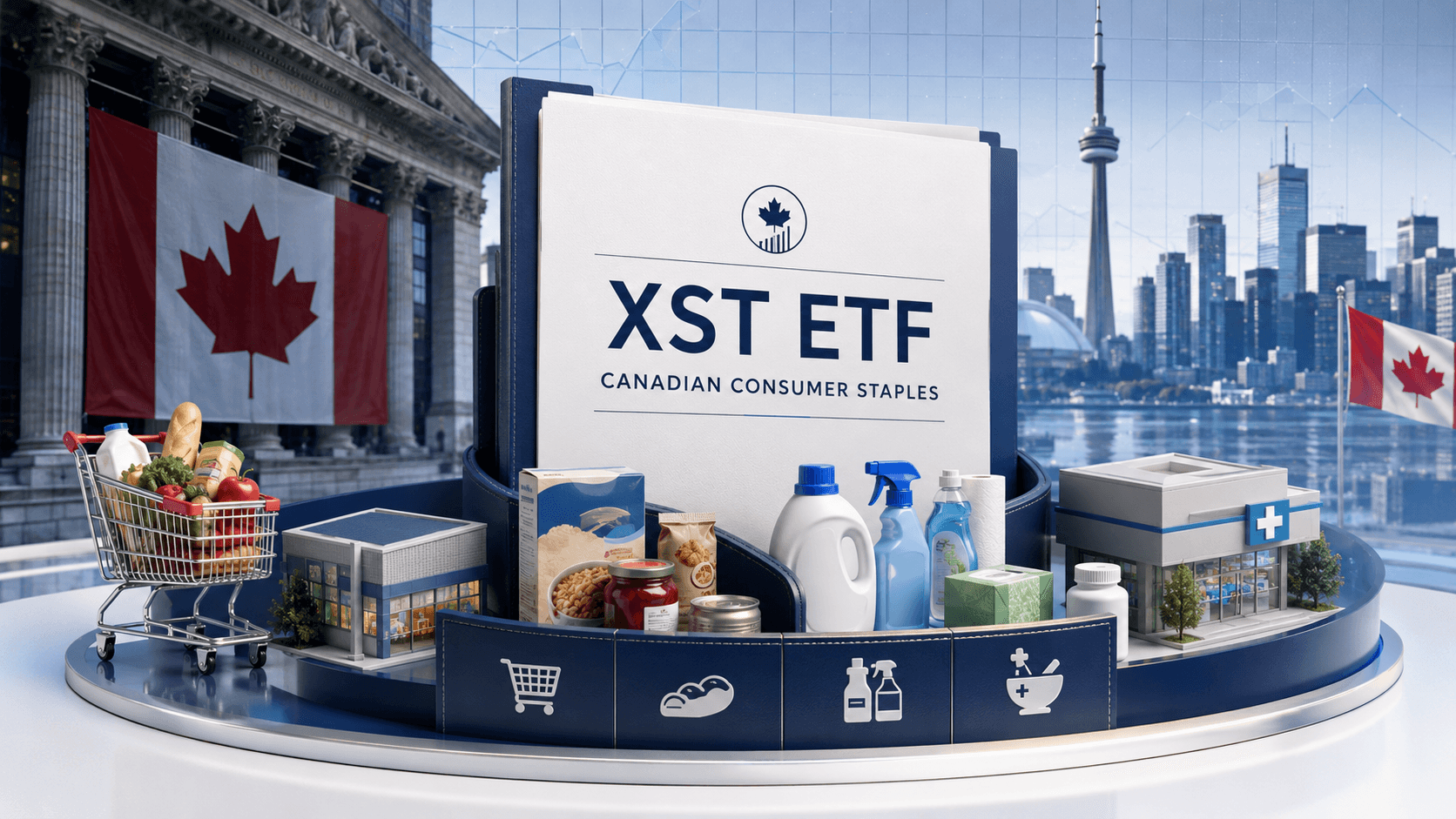
On the Toronto Stock Exchange, XST refers to the iShares S&P/TSX Capped Consumer Staples Index ETF, managed by BlackRock Asset Management Canada. The fund tracks a basket of Canadian consumer-staples companies, including major grocery and retail names, weighted by market capitalization with a cap on any single holding. It's been trading since 2011, giving it well over a decade of history, and it holds several hundred million Canadian dollars in assets.
This is a regulated, exchange listed fund built around some of Canada's most stable, dividend-paying businesses, grocery chains, convenience stores, and packaged food producers. Anyone researching this XST is looking at a defensive equity product designed for long-term, diversified exposure to a specific sector, not a speculative single company bet.
XST On The ASX: Xstate Resources, An Oil And Gas Explorer
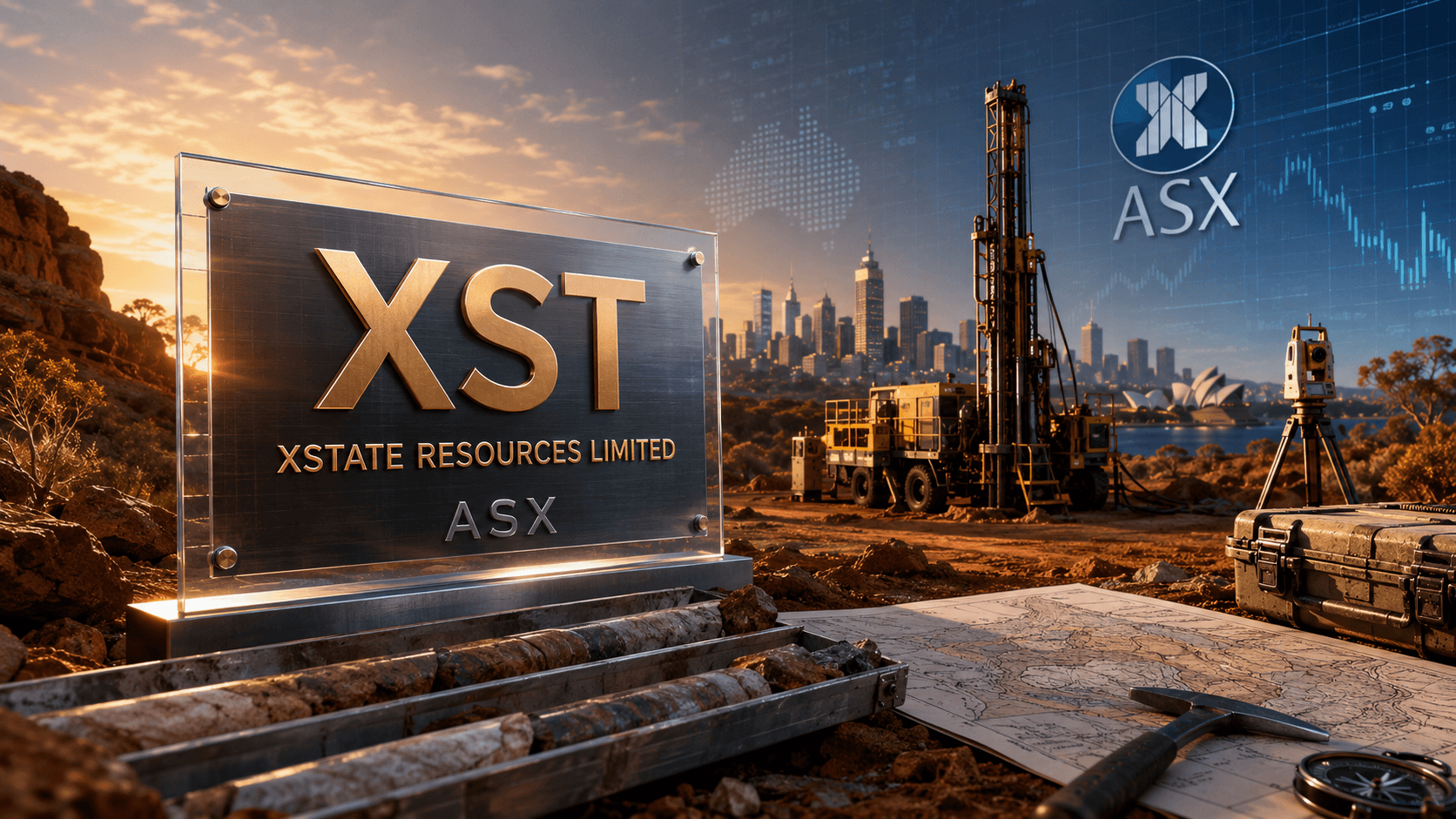
A completely different XST trades on the Australian Securities Exchange under the same ticker: Xstate Resources Limited. Unlike the Canadian ETF, this is a single operating company, not a diversified fund. Xstate Resources is engaged in oil and natural gas exploration and production, with operations spanning the United States, Austria, and Canada, and it was formerly known as Oriental Crystal International Ltd before adopting its current name.
The company's flagship project, referred to as the Diona Project, covers a substantial exploration area made up of dozens of graticular blocks. Xstate Resources trades at a fraction of a dollar, reflecting the higher-risk profile typical of small-cap exploration and production companies, where value depends heavily on drilling results and commodity price cycles rather than a stable, predictable earnings stream. Investors researching this XST are looking at a genuinely different risk category than either the Canadian ETF or, as covered next, the crypto token sharing the same three letters, since exploration-stage energy companies carry operational and geological risks that neither a diversified fund nor a crypto project face in the same way.
-- Price
XST On Solana: XSolut, A Small-Cap Crypto Token
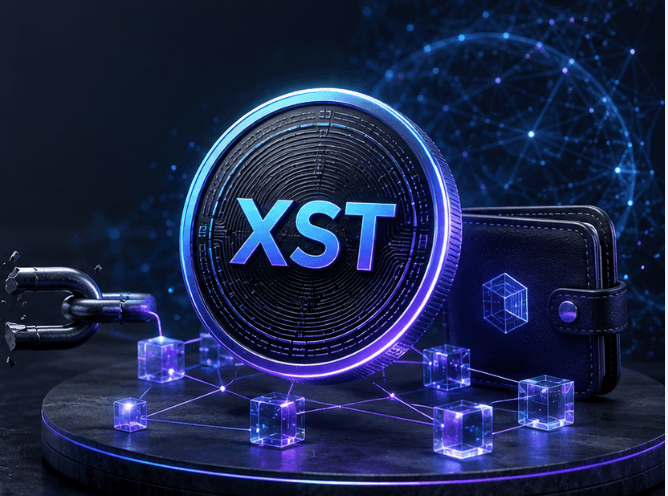
The third XST exists entirely outside traditional markets. On Solana, XST refers to XSolut, a token positioned around AI infrastructure tokenization, still in early development according to CryptoRank, with no whitepaper, no publicly disclosed team, and no operational product. Unlike the two exchange-listed entities above, there's no regulatory body vetting this project before it became tradable, and its price history reflects that difference directly, with a dramatic rise to an all time high followed by a steep, multi-week decline toward its all time low.
This XST also carries an additional layer of internal confusion that the ETF and the ASX-listed company don't have to deal with. Multiple unrelated or copycat crypto projects have used variations of the XST or XSolut name, and separate reporting has documented unresolved questions around a possible ticker change to "X2O" that the project has never officially clarified. Anyone researching XSolut specifically needs to verify the exact Solana contract address rather than relying on the ticker or project name alone, a precaution that simply doesn't apply to a regulated, exchange listed stock or ETF.
A Fourth XST That Shows Up In Some Financial Databases
At least one financial data platform, Morningstar's German language site, associates the "XST" identifier with Sanwa Holdings Corp, a Japanese company, though it's worth being precise about what this actually represents. This appears to function as a platform specific internal identifier within Morningstar's own database rather than Sanwa Holdings' primary listed ticker on the Tokyo Stock Exchange, so it's a somewhat different kind of overlap than the direct ticker collision between the Canadian ETF and the Australian exploration company.
Still, it's worth flagging as a fourth data point precisely because it illustrates how far this kind of confusion can extend once you move beyond a single exchange's own symbol registry into third-party financial databases, screeners, and news aggregators that pull data from multiple markets simultaneously. A search that returns this fourth reference is a useful reminder to check the specific exchange and identifier type before assuming any result matches the XST you were actually looking for.
How To Make Sure You're Looking At The Right One
The fastest way to sort these apart is to check which exchange and asset type a given piece of information is actually describing before reading any further. References to the Toronto Stock Exchange, BlackRock, or net asset value point to the Canadian ETF. References to the Australian Securities Exchange, oil and gas exploration, or the Diona Project point to Xstate Resources. References to Solana, a contract address, or DEX trading volume point to the crypto token. And any reference tied to a specific data platform's internal identifier, rather than a primary exchange listing, deserves a second look to confirm what it's actually describing.
For the crypto side specifically, ticker and project name alone are never sufficient verification. Matching the exact contract address remains the only reliable way to confirm you're looking at the genuine XSolut token rather than one of the unrelated projects that have used a similar name.
Conclusion
XST isn't a single asset with a confusing history. It's four unrelated identifiers, a Canadian consumer-staples ETF, an Australian oil and gas explorer, a small cap Solana crypto token, and a Japanese company referenced under a platform specific identifier, that happen to share the same three letters purely because ticker symbols are assigned independently across markets that don't communicate with each other. Before acting on anything labeled "XST stock," confirming the exchange and asset type takes only a moment and prevents a genuinely costly mix-up between assets with completely different risk profiles.
FAQ
1. Are any of these four "XST" entities connected to each other?
No. The Canadian ETF, the Australian oil and gas company, the Solana crypto token, and the Japanese company referenced under the XST identifier are entirely unrelated, operating in different markets, industries, and asset classes.
2. Which XST is a traditional publicly traded stock?
Xstate Resources Limited, listed on the Australian Securities Exchange, is the clearest example of an individual operating company trading under this ticker, distinct from the ETF, which holds a basket of companies rather than being one itself.
3. Is XST on the Toronto Stock Exchange the same as XSolut crypto?
No. The Toronto listed XST is a BlackRock managed ETF holding Canadian consumer staples stocks, with no connection to XSolut or any crypto project.
4. Why does XSolut require extra verification compared to the other XST entities?
Unlike exchange listed stocks and ETFs, crypto tokens aren't vetted by a regulatory body before trading, and multiple unrelated or copycat projects have used similar names, making contract address verification the only reliable way to confirm you're looking at the genuine token.
5. What's the safest way to confirm which XST a search result refers to?
Check for exchange specific and asset-specific details, references to the Toronto Stock Exchange or BlackRock point to the ETF, the Australian Securities Exchange or oil and gas exploration points to Xstate Resources, and Solana or a contract address points to the crypto token.
This content is provided for general informational purposes only and doesn't constitute financial, investment, legal, or tax advice. Any events, rewards, online promotions, or related information mentioned herein should not be considered a recommendation, solicitation, or invitation to purchase, sell, trade, or otherwise deal in any crypto assets. Crypto assets are highly volatile and may result in loss. The availability of WEEX services, products, and related events may vary by region. You are responsible for ensuring that your participation is in accordance with applicable local laws and regulations.
You may also like

MetaMask Transaction Stuck or Failed? Here's How to Fix It

What Is MetaMask? A Complete Beginner's Guide
What Is Arbitrum (ARB) and How Does This Ethereum Layer 2 Work?
Plasma Released 88.89 Million XPL Tokens Today—Why the Allocation Matters

What Is IMX Crypto? How Immutable's Layer 2 Became the Largest Web3 Gaming Blockchain

ETH to USDT: What the Converter Rate Leaves Out

Pakistan Stock Exchange Performance in 2026: What Is Driving the KSE 100 to Record Highs
SpaceX Rocket Crashes on the Moon: What It Means for SPCX Traders
TradFi Perpetual Futures API: 26 Symbols and How to Wire Them
WEEX TradFi Trading Fest: Trade Stock Futures and Share 50,000 USDT Rewards
With the World Cup hype building, which tokens are worth keeping an eye on?
What Is Folks Finance (FOLKS)?
Introduction to Canton Network: A New Era for Institutional-Grade Digital Assets
ZKsync (ZK) Price Prediction 2025 – 2030
Plasma (XPL) Price Prediction for 2025, 2026–2030

What is PLASMA Coin? The Layer 1 for a New Financial System

What Is Plasma (XPL) and How Does It Work?
What Is 0G (0G) and How Does It Work?
What is Dill (DL) Coin? A Guide to the High-Scalability L1 Blockchain
What is Black Mesa Research Facility (MESA) Coin and Is It a Good Investment?
What Is BNB (BNB) and How Does It Work?

Solana vs Ethereum: Which Blockchain Is Better in 2025?
What is RUNNER (RUNNER) Coin? A Comprehensive Guide
What Is Boundless (ZKC) and How Does It Work?
MetaMask Transaction Stuck or Failed? Here's How to Fix It
What Is MetaMask? A Complete Beginner's Guide
What Is Arbitrum (ARB) and How Does This Ethereum Layer 2 Work?
Plasma Released 88.89 Million XPL Tokens Today—Why the Allocation Matters
What Is IMX Crypto? How Immutable's Layer 2 Became the Largest Web3 Gaming Blockchain
ETH to USDT: What the Converter Rate Leaves Out
Contents
Popular coins
Latest articles


