
Russia opens regulated crypto trading as new law takes effect

 Prefer us on Google


Russia's first comprehensive legal framework for cryptocurrency trading, custody and cross-border settlements has taken effect on Sept. 1, opening regulated market access to retail and qualified investors under Bank of Russia supervision.
Summary
- Russia's crypto law took effect Sept. 1, bringing trading, custody and cross border settlements under a regulated framework.
- Non qualified investors can buy up to 300,000 rubles of eligible cryptocurrencies annually through each intermediary after passing a suitability test.
- Qualified investors can trade cryptocurrencies without the same purchase limit, although testing requirements still apply.
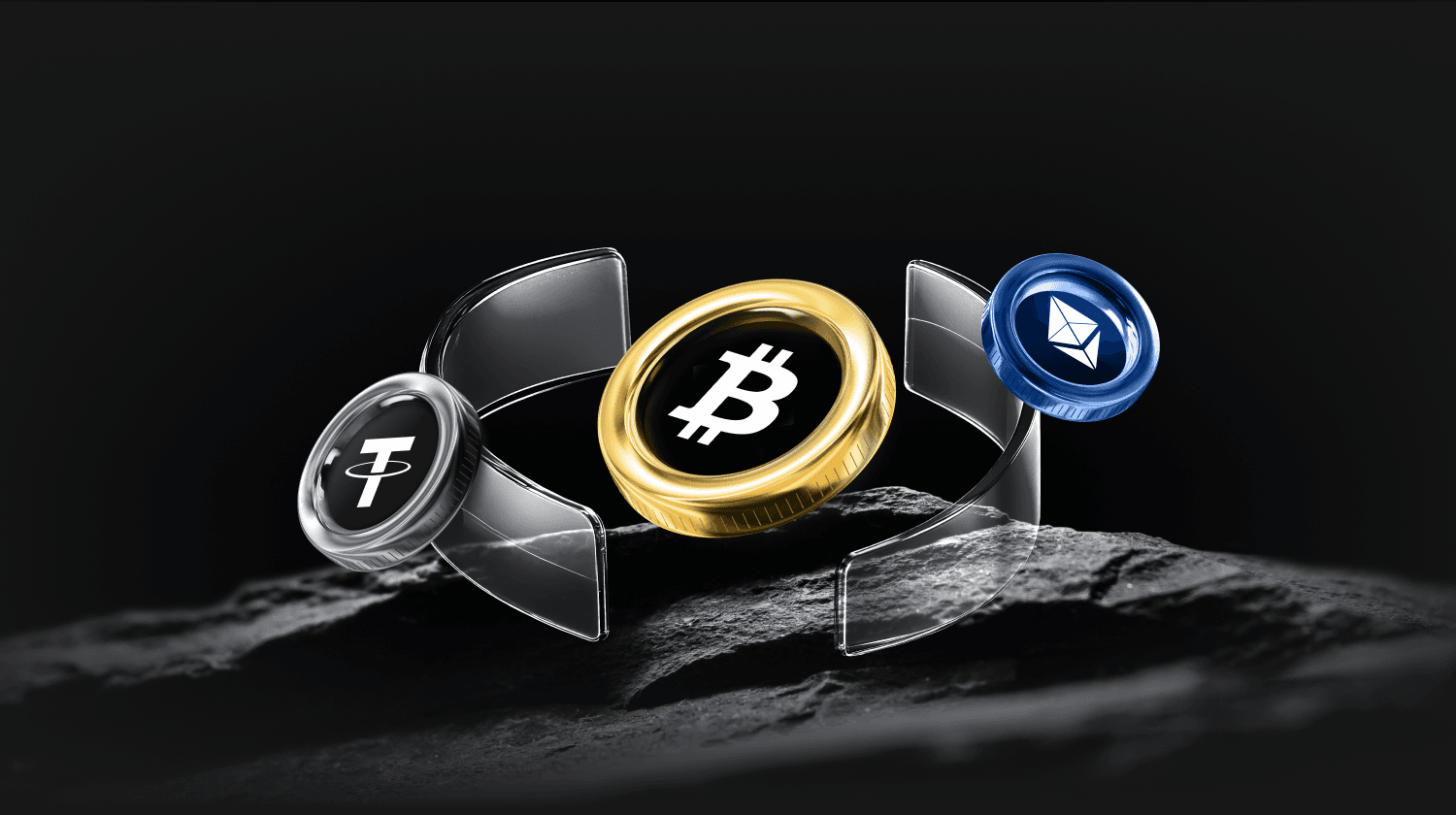
- Bitcoin, Ether and USDT were among the cryptocurrencies proposed by the Bank of Russia for regulated trading.
- Crypto can be used for cross border settlements, while payments for ordinary goods and services inside Russia remain prohibited.
The Bank of Russia said the rules allow both investor groups to conduct cryptocurrency transactions through regulated intermediaries, while access levels depend on investor status and mandatory testing.
Non-qualified investors can buy up to 300,000 rubles worth of eligible cryptocurrencies each year through each intermediary, while qualified investors can trade without an amount limit.
Russia crypto law opens regulated trading from Sept. 1
President Vladimir Putin signed the legislation on Aug. 4 after the State Duma passed the framework in its second and third readings in July. The law covers cryptocurrency exchanges, digital depositories, brokers, management companies, organized trading platforms and other financial institutions involved in digital asset transactions.
As crypto.news previously reported, the framework keeps separate conditions for non-qualified and qualified investors. Retail investors without qualified status must complete a suitability test before purchasing cryptocurrencies and can access only assets that meet liquidity requirements set by the regulator.
Qualified investors must complete testing as well but can buy and sell any cryptocurrency without the same annual purchase ceiling.
The Bank of Russia has been developing the secondary rules needed to operate the market. Its criteria for cryptocurrencies available to non-qualified investors consider market capitalization, average daily trading volume and pricing history on foreign platforms, with an asset required to have at least five years of price history.
Bitcoin, Ether and Tether's USDT were among the assets the regulator proposed for regulated trading in August. The final range available to retail investors will depend on the Bank of Russia's eligibility requirements and the products offered by regulated intermediaries.
Russia changed its qualified investor rules shortly before the framework took effect. From Aug. 31, investors can gain qualified status by passing an approved domestic financial knowledge test and presenting an accepted Russian certificate.
You might also like: Russia crypto trading could reach $46B in year one
The new qualification route includes certificates issued by the National Finance Association, Moscow Exchange and the National Association of Securities Market Participants. Existing qualification routes based on income, assets, relevant work experience, investing experience or education remain available.
Crypto exchanges and custodians enter a regulated system
The law creates dedicated roles for cryptocurrency exchanges and digital depositories, bringing trading and custody services under a formal regulatory structure.
Crypto exchanges will handle purchases and sales, while digital depositories will record rights to cryptocurrencies and other digital assets. Brokers and management companies can facilitate transactions, including through organized trading platforms.
Under rules outlined during the legislative process, cryptocurrency exchange providers must enter a special register, hold at least 15 million rubles in equity and become members of an approved financial-market self-regulatory organization.
The Bank of Russia will maintain registers of regulated market participants and has prepared operating requirements for exchanges, depositories and digital currency accounts. Exchanges can set trading procedures through their own rules and will be responsible for calculating market and weighted average prices for listed instruments.
Digital depositories face separate capital standards. Draft regulations published in July set minimum equity between 50 million and 250 million rubles depending on the services offered, including whether a depository works with open distributed ledgers or provides post-trade settlement services.
The draft operating standards cover record keeping, information about clients with access to the system, recorded assets and the opening and maintenance of digital accounts.
Market participants do not have to complete the entire licensing transition immediately. The Bank of Russia has provided a transition period until July 1, 2027, for affected businesses to obtain licenses and bring their operations into line with the new requirements.
Financial institutions have already started preparing services around the regulated structure. Sberbank plans to have cryptocurrency trading infrastructure and a digital depository ready by Dec. 1, with services expected to cover trading, custody, settlement and depository functions for eligible customers.
Its planned crypto trading infrastructure forms part of preparations by major Russian financial companies for the regulated market. Alfa-Bank has tested cryptocurrency trading through its Alfa-Investments brokerage application with a limited group of qualified investors, while other institutions have worked on custody infrastructure.
Cross-border crypto settlements receive a legal route
The framework keeps Russia's prohibition on cryptocurrency payments for ordinary goods and services inside the country, meaning digital currencies do not become legal payment instruments for domestic commerce.
Foreign trade receives different treatment. Exporters and importers can use cryptocurrency for cross-border settlements without an amount limit under the new framework, according to the Bank of Russia.
Companies can conduct eligible transactions through intermediaries or directly using different cryptocurrency wallets and digital currencies. The rules formalize a route for cross-border crypto settlements after Russia had previously tested such transactions under an experimental legal regime.
The State Duma's final approval of the framework in July covered trading, custody and foreign trade while maintaining restrictions on domestic cryptocurrency payments.
Russian residents can conduct cryptocurrency transactions abroad using foreign bank accounts. Crypto purchased domestically can be transferred overseas through regulated intermediaries, while cryptocurrency holdings recorded abroad must be reported to Russian tax authorities.
The law extends beyond purchases and foreign trade. Investors can exchange cryptocurrencies for securities and digital instruments issued under Russian law, while requirements applying to cryptocurrencies will cover foreign stablecoins as well.
During the bill's passage, lawmakers removed a proposed requirement for cryptocurrency holders to disclose their wallet addresses. The revised version instead retained reporting requirements involving information such as balances and transaction volumes while introducing rules for certain transfers.
-- Price
Some crypto rules will take effect later
Sept. 1 brings the core provisions into force, but several parts of the framework follow separate implementation schedules.
Rules involving certain transfer restrictions and the operation of nonresident digital depositories are scheduled to take effect on July 1, 2027. Technical provisions governing the issuance and circulation of digital financial assets, nominal holders and depositories are set to follow on Sept. 1, 2027.
The Bank of Russia has continued drafting secondary regulations while the main law moves into force. In August, the regulator proposed including cryptocurrencies in calculations used to measure the financial resilience of professional market participants.
Under the proposal, brokers, trustees, forex dealers and cryptocurrency exchange providers would be able to include only exchange-listed cryptocurrencies when calculating equity. Eligible crypto could account for no more than 25% of assets included in the calculation and would have to be registered with a crypto depository.
Russia is beginning another digital asset rollout on the same date. Major banks are required from Sept. 1 to give clients access to digital ruble transactions, while large retailers that meet the applicable revenue threshold must support payments using the central bank digital currency.
The digital ruble rollout will proceed in stages through 2028, when the remaining covered banks are scheduled to join the system.
Read more: Solana AMM Aquifer hit by $2.5 million exploit, offers 20% bounty
This content is provided for general informational purposes only and doesn't constitute financial, investment, legal, or tax advice. Any events, rewards, online promotions, or related information mentioned herein should not be considered a recommendation, solicitation, or invitation to purchase, sell, trade, or otherwise deal in any crypto assets. Crypto assets are highly volatile and may result in loss. The availability of WEEX services, products, and related events may vary by region. You are responsible for ensuring that your participation is in accordance with applicable local laws and regulations.
You may also like

Rain contract exploit drains $1.1M from card users

How Uniswap's Fee Switch Redefined Revenue

Arbitrum Nova Migration Window Ends, Transitioning to Minimal Maintenance Mode

Debt Expansion and Currency Shuffle: The Biggest Beta Opportunity in the Crypto Market According to Hayes

Sui Chain DeFi Protocol Full Sail Announces Liquidation: $91,000 Lost Due to Attack on Oracle Switchboard

G20 Supports Regulatory Path for Digital Assets, Strengthens Anti-Money Laundering Enforcement Requirements

Jupiter Launches Universal Deposit, Supporting Multi-Chain Asset Cross-Chain Exchange for USDC

Leverage, Ferraris, and the Law of Attraction: Carl Moon’s "First Life" | WE TALK by WEEX
From a supermarket clerk in Northern Europe to a trader, racer, and musician who dictates his own destiny, Carl Moon’s story isn’t a simple get-rich-quick fantasy. It’s a long-term, self-driven game of goals, discipline, and risk control.
Coldcard Wave 3 Attackers Transfer Stolen Funds for the First Time, Some Assets Converted to ETH
Three Public Chains Halt Operations in Four Days: Who Has the Power to Press the Pause Button?

Kraken IPO delayed until Q2 2027: report

Goldman Sachs, BofA and 19 Other Banks Plan U.S. Dollar Stablecoin Launch
Saudi Arabia Confirms Death of Two Filipino Sailors in Iranian Attack on Oil Tanker

Tracking Cryptocurrency May Be Included in Exporters' Currency Revenue Control

Backpack Adds Micron, SanDisk Shares as Margin Collateral
What is Hedera Hashgraph and how does HBAR work?

Agentic Payment Research Report: From Payment Pathways to Ecological Landscape

What is Chainlink and how does the LINK oracle network work?
Wyoming Adopts Chainlink for FRNT On-Chain Reserve Verification

Crypto Will Eventually Merge with AI Finance

From Glamsterdam to Hegotá: What Will Ethereum Address in Its Next Phase After Scaling?
The Similarities and Differences of Meme from a Long-Cycle Perspective
August Cryptocurrency Security Incident Report: Total Loss of $215 Million, Price Manipulation and Governance Vulnerabilities as Major Attack Methods
TAC Report Reveals Cosmos EVM Vulnerability Attackers Cashed Out Approximately $1 Million
Cronos' Single-Player Philosophy: Theft Is No Big Deal, Just Roll Back
China's Blockchain BaaS Market Expected to Reach 2.07 Billion Yuan by 2025, Ant Group Leads with 32.4% Market Share

AI Networking (Broadcom/AVGO) and Space Tech (RKLB): The Impact of TradFi Megatrends on the Cryptocurrency Market

SNDK Stock Trading Rewards: Share $100K on WEEX
When AI Agents Gain On-Chain Execution Authority: Who Verifies the Information They See and the Commands They Issue?
How Much of the $1.5 Billion Can Be Recovered? The Realistic Boundaries and Industry Insights of Bybit's Lawsuit Against North Korea
Rain contract exploit drains $1.1M from card users
How Uniswap's Fee Switch Redefined Revenue
Arbitrum Nova Migration Window Ends, Transitioning to Minimal Maintenance Mode
Debt Expansion and Currency Shuffle: The Biggest Beta Opportunity in the Crypto Market According to Hayes
Sui Chain DeFi Protocol Full Sail Announces Liquidation: $91,000 Lost Due to Attack on Oracle Switchboard
G20 Supports Regulatory Path for Digital Assets, Strengthens Anti-Money Laundering Enforcement Requirements
Contents
Latest articles





Latest coin listings on WEEX


