
Starknet Independent L1 Vote: What It Really Means for STRK

 Prefer us on Google
The Starknet independent L1 vote is a research poll, not a migration. Launched on October 15, 2026, the seven-day, nonbinding vote asks STRK stakers and delegators whether Starknet should study leaving Ethereum's Layer 2 setup to become its own quantum-resistant Layer 1. A "Yes" starts research and more detailed proposals; it does not approve a move, set a date or create a new token. STRK still drew traders in: on WEEX it traded at 0.08502 USDT, up 11.84%, at about 10:10 Beijing time on October 16. This guide explains what is actually on the ballot, why quantum security is the stated reason, and how to read STRK's price around the headline.
What the Starknet Independent L1 Vote Asks
The poll runs for seven days from October 15 on Starknet's governance portal. It gives three choices:
- Yes: Start research into an independent Layer 1, followed by more detailed proposals and further votes.
- No: Keep post-quantum security work inside the existing Ethereum Layer 2 structure.
- Neutral: Keep the discussion open while unresolved questions are answered.
Only STRK stakers and delegators can vote, and results appear when the poll closes. Nothing in it can authorize a network upgrade or a migration timeline. No design for consensus, data availability, bridging or migration has been published.
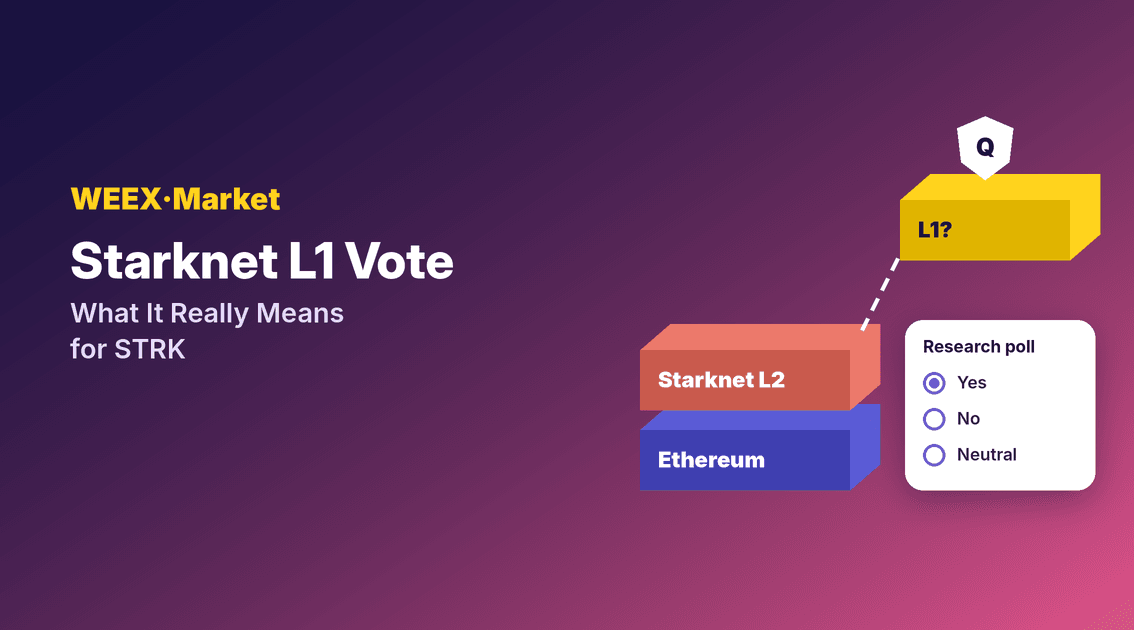
The idea did not appear overnight. StarkWare said on October 8 that it was actively considering the transition, and co-founder Eli Ben-Sasson framed it around quantum computing risk. The company described an independent L1 as its clearest path forward.
Why Quantum Security Is Behind the Proposal
Starknet's case rests on the cryptography it already uses. Its STARK proofs are hash-based, rather than relying on the elliptic-curve signatures that a future quantum computer could break. Native account abstraction also lets users switch to post-quantum signatures without a hard fork, and StarkWare has tested Falcon-512 accounts with OpenZeppelin.
The weak link is everything Starknet borrows from Ethereum. Its main bridge and data availability still sit on Ethereum, so they move at Ethereum's pace. Ethereum targets full Layer 1 quantum resistance by the end of 2029. StarkWare says Starknet could get there by 2027 if it controlled those pieces itself.
That gap, roughly two years, is the real argument. The vote is effectively asking holders whether that head start is worth the cost of leaving Ethereum's security umbrella.
Research Versus Migration: What Would Change for STRK
The most common misreading is that Starknet has decided to leave Ethereum. It has not. Here is what is confirmed and what is still open.
What stays the same under either path:
- STRK remains the native token. No new token is planned.
- Ethereum bridges stay open. Users would not lose their route between the two networks.
What is still unknown:
- Security model. An independent L1 needs its own consensus and validator set, which brings new questions about decentralization and staking demand.
- Timeline. There is no transition date, and a "Yes" result only triggers more proposals and votes.
- Ecosystem reaction. Apps and liquidity built around Starknet as an Ethereum rollup would need to decide whether to follow.
The better reading for STRK holders is that the vote measures appetite, not outcome. A strong "Yes" would raise the odds of a long research process, not the odds of a switch next quarter.
-- Price
STRK Price: Reading the Rally Around the Vote
STRK has been moving hard, and the timing invites a simple story. Treat that story with care.
WEEX market data captured on October 16 shows how fast the move turned. At about 10:10 Beijing time, STRK spot traded at 0.08502 USDT, up 11.84%, and the perpetual at 0.08496 USDT, up 11.83%. The 24-hour range then stretched from a low of 0.07494 to a high of 0.09855 USDT. Later the same day, spot had fallen back to about 0.0792 USDT, cutting the daily gain to roughly 3%.
That round trip of about 20% from high to later price is the real lesson. Headline-driven rallies in mid-cap tokens tend to be crowded, and STRK, with a market value of roughly $570 million to $600 million across major trackers, can swing on modest flows. It also trades far below its February 2024 high, so long-term holders may be using strength to sell.
No source links the price move directly to the poll, and you should not assume one. Several things can drive a token at once: the L1 debate, broader market moves and positioning in futures. What experienced traders watch next is the poll result when it closes, the share of STRK that turns out to vote, and whether StarkWare publishes concrete design documents.
How to Trade STRK on WEEX: Spot and Futures
The two WEEX markets suit different goals.
- STRK spot. The STRK/USDT spot market is the simpler way to hold the token outright. On October 16 the pair showed a 0 Fees tag and a minimum order of 11 STRK.
- STRK perpetual futures. The STRK-USDT perpetual lets traders go long or short on the volatility around governance news. The funding rate shown on October 16 was about -0.0017%, close to neutral.
A note on leverage: a token that moved more than 20% inside one day can liquidate a 5x position on a normal swing. If you trade the vote, set your stop before the result, not after it.
The Bottom Line on the Starknet Independent L1 Vote
The Starknet independent L1 vote asks whether to research a post-quantum Layer 1, nothing more. STRK stays the native token, bridges stay open and no migration date exists. The price has reacted sharply, but the October 16 intraday reversal shows how quickly a governance headline can fade. Follow the result when the poll closes, then judge any new design documents on their own merits. You can track STRK on the WEEX STRK/USDT spot market or trade its swings through the perpetual contract.
FAQ
1. Is Starknet leaving Ethereum?
Not yet. The October 15 vote is nonbinding and only asks whether to research becoming an independent Layer 1. Any actual move would need further proposals and votes.
2. Will there be a new token if Starknet becomes an L1?
No. STRK would remain the native token under either path, and no new token is planned.
3. Why is Starknet considering leaving Ethereum's Layer 2?
Quantum security. Starknet's bridge and data availability depend on Ethereum, which targets full quantum resistance by 2029. StarkWare says Starknet could reach it by 2027 on its own.
4. Who can vote in the Starknet L1 poll?
STRK stakers and delegators. The poll runs for seven days from October 15, 2026, and results appear when it closes.
This content is provided for general informational purposes only and doesn't constitute financial, investment, legal, or tax advice. Any events, rewards, online promotions, or related information mentioned herein should not be considered a recommendation, solicitation, or invitation to purchase, sell, trade, or otherwise deal in any crypto assets. Crypto assets are highly volatile and may result in loss. The availability of WEEX services, products, and related events may vary by region. You are responsible for ensuring that your participation is in accordance with applicable local laws and regulations.
You may also like

Why Is STRK Up Over 25%? Starknet's Layer 1 Idea, the Quantum Roadmap and the Risks Behind the Jump
Flying Tesla Roadster (FTR) Coin: What Is It and What to Check Before Trading a Roadster Memecoin
Tesla Roadster Performance, Thrust and Rocket Trims: Specs, Price and 2028 Production

Cyberleek Token Risks: Memecoins Tied to Leaks, Anonymous Wallets and Why Verification Matters

Staking APR vs Inflation: How Much of Your Crypto Yield Is Real?
CRWV Stock Swings From -9.5% to +5.9%: Why CoreWeave Reversed
WEEX Convert Fees: What Zero-Fee Conversion Really Costs You
WEEX Convert Quote: How the 8-Second Price Lock Really Works
WEEX Convert Limits: Minimum and Maximum Amounts Explained
How to Check a WEEX Convert Order: History, Rate and Status
What Is Walrus Coin (WAL)? Why It Is Rising and What Is Still Unconfirmed
PYTH USDT After the 100% Rule: Buyback Mechanics, Overbought Signals and Risks Before Trading
USDC Significant EMT Status in the EU: What Changes on November 12 Under MiCA
APR vs APY in Crypto: Why the Bigger Number Can Mislead You
Walrus (WAL) Jumps 30%: Sui Storage Token Rallies on AI Data
Bitcoin Price After Hot CPI: Why BTC Is Pinned Near $82,000
Sandisk Stock After a 524% Run: Why SNDK Keeps Sliding Now
CoreWeave Stock Plunges 15%: Why a Bond Yield Spooked CRWV
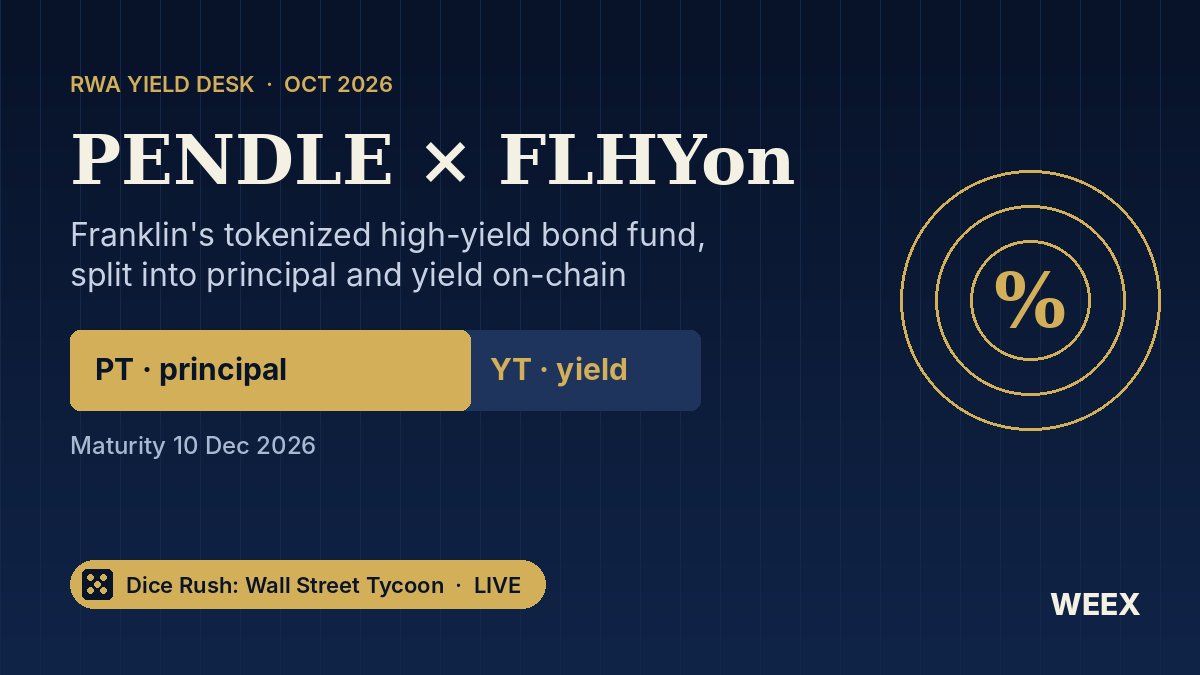
PENDLE Price and FLHYon: What Franklin's Bond Token Changes
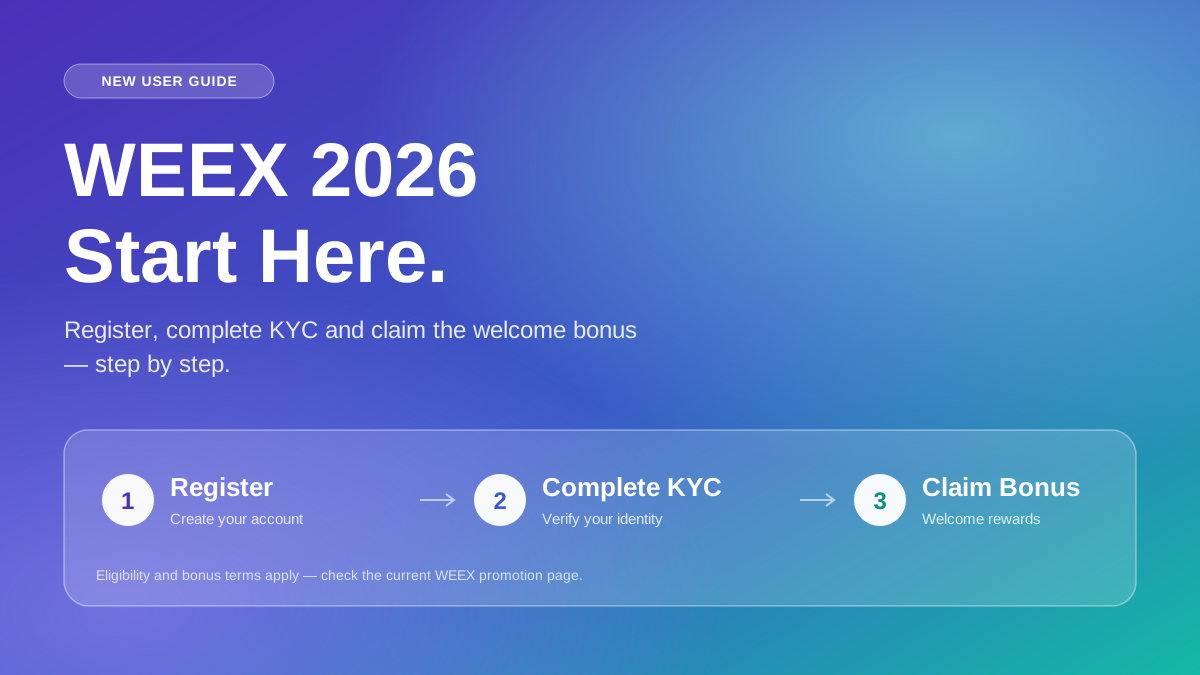
WEEX 2026 New User Guide: Register, Complete KYC, and Claim the Welcome Bonus (Step-by-Step)

WEEX Convert Guide: How to Swap Crypto on Web and App and What the Quote Really Means
ASML Stock Falls Despite a Record Q3 and Higher Outlook: Is the AI Chip Equipment Boom Already Priced In?

SKHY Stock Falls Again: Is the SK Hynix Selloff About China’s CXMT and YMTC or AI Profit-Taking?
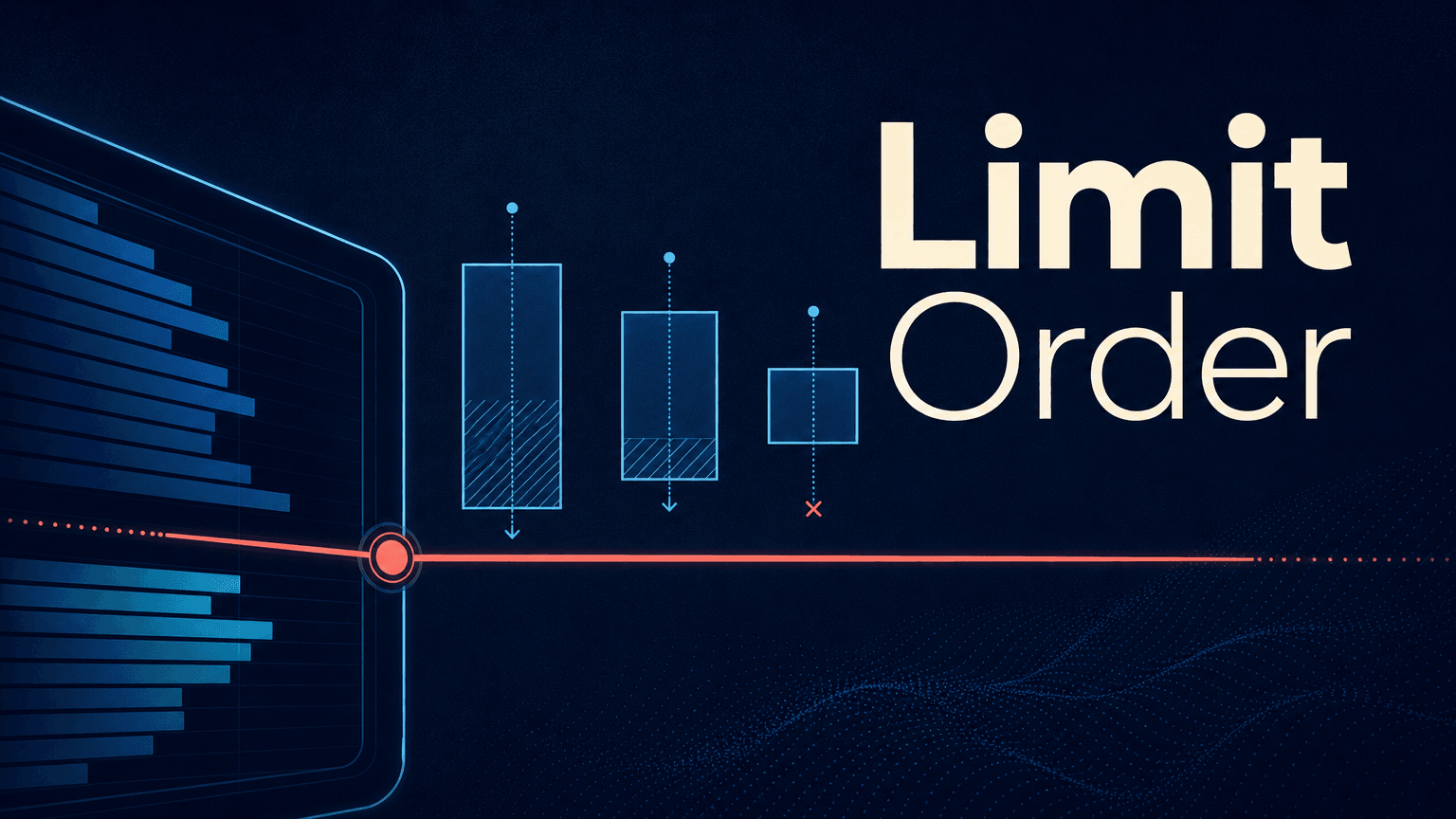
What Is a Limit Order? How It Works and When to Use It
Best Crypto Miner for Beginners: What to Check on Cost, Power, Hashprice and Profit Before You Buy
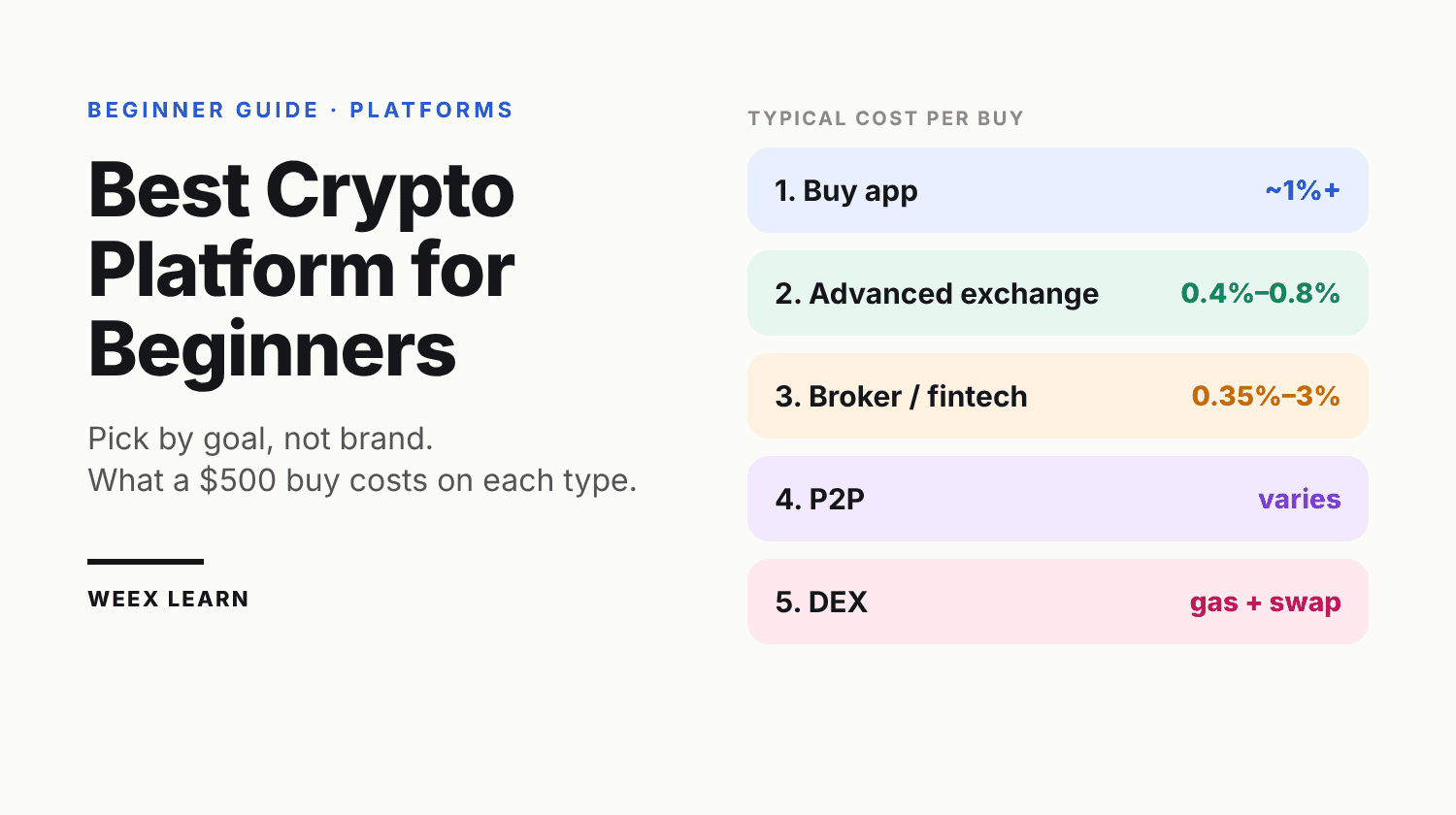
DeFi Vault vs Staking: Who Controls Your Yield and Your Exit?
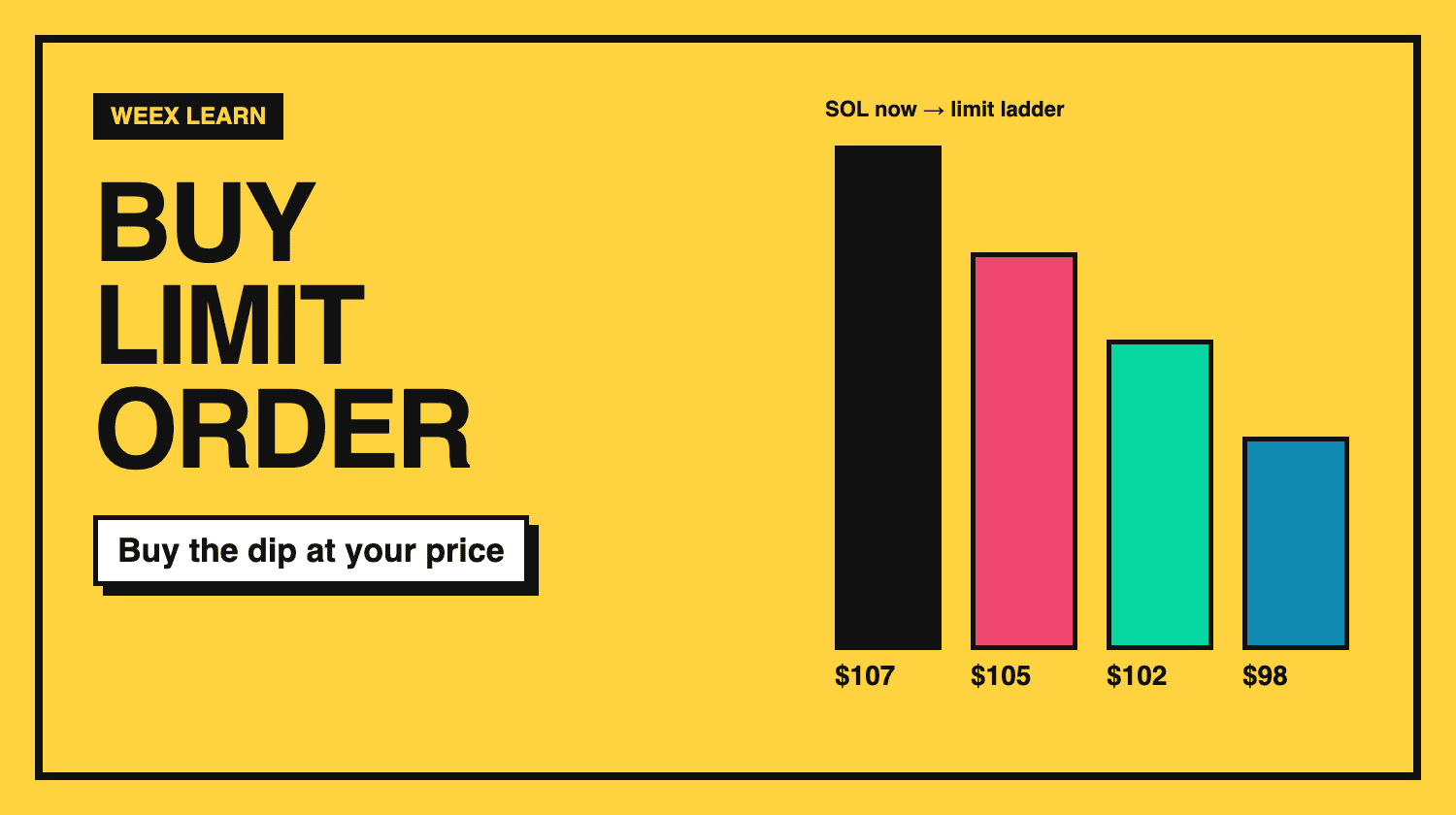
Buy Limit Order: How to Buy Crypto Below the Market Price
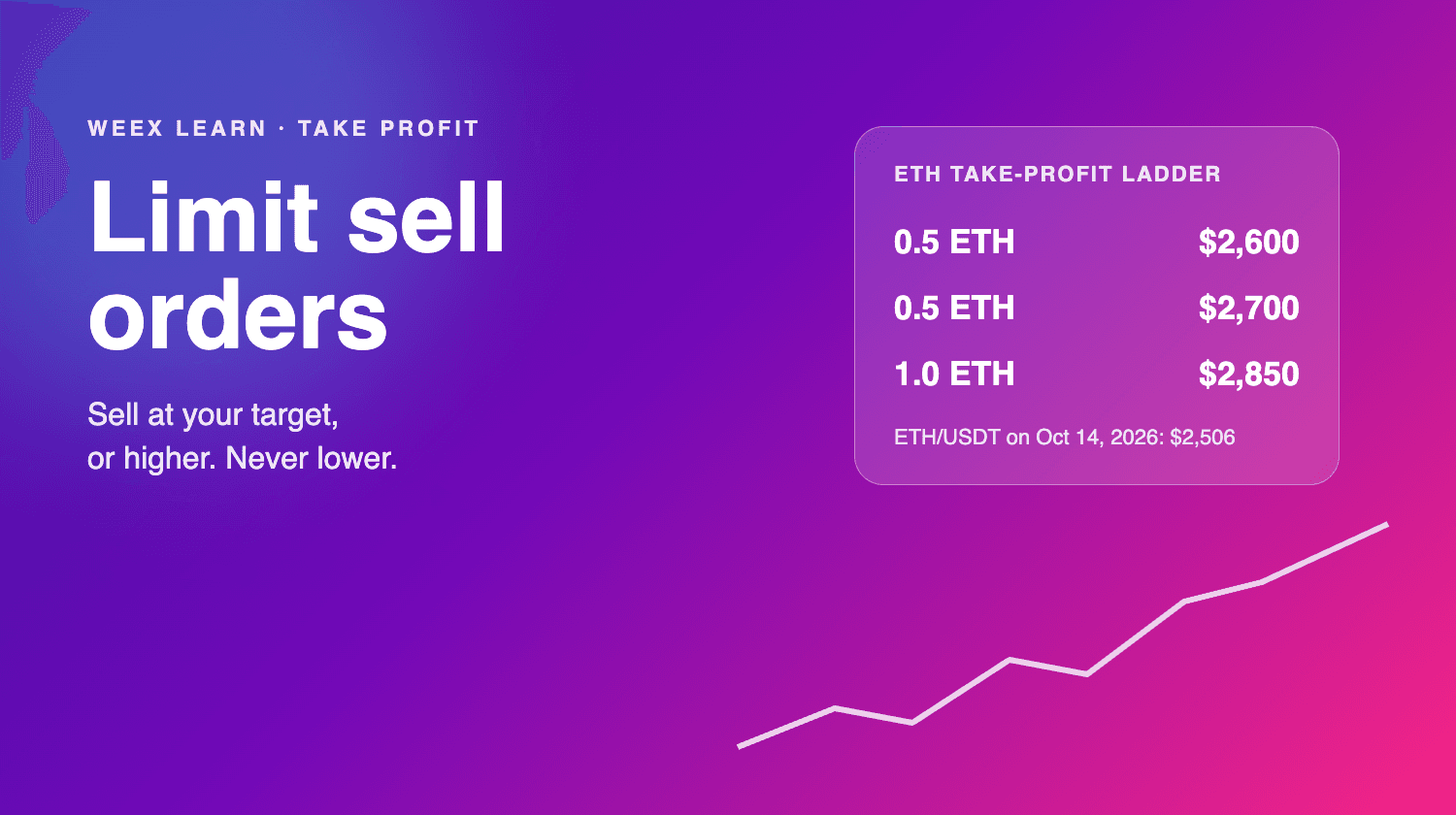
Limit Sell Order: How to Set a Take-Profit Price in Crypto

Limit Order vs Market Order: Which One to Use When Trading Crypto
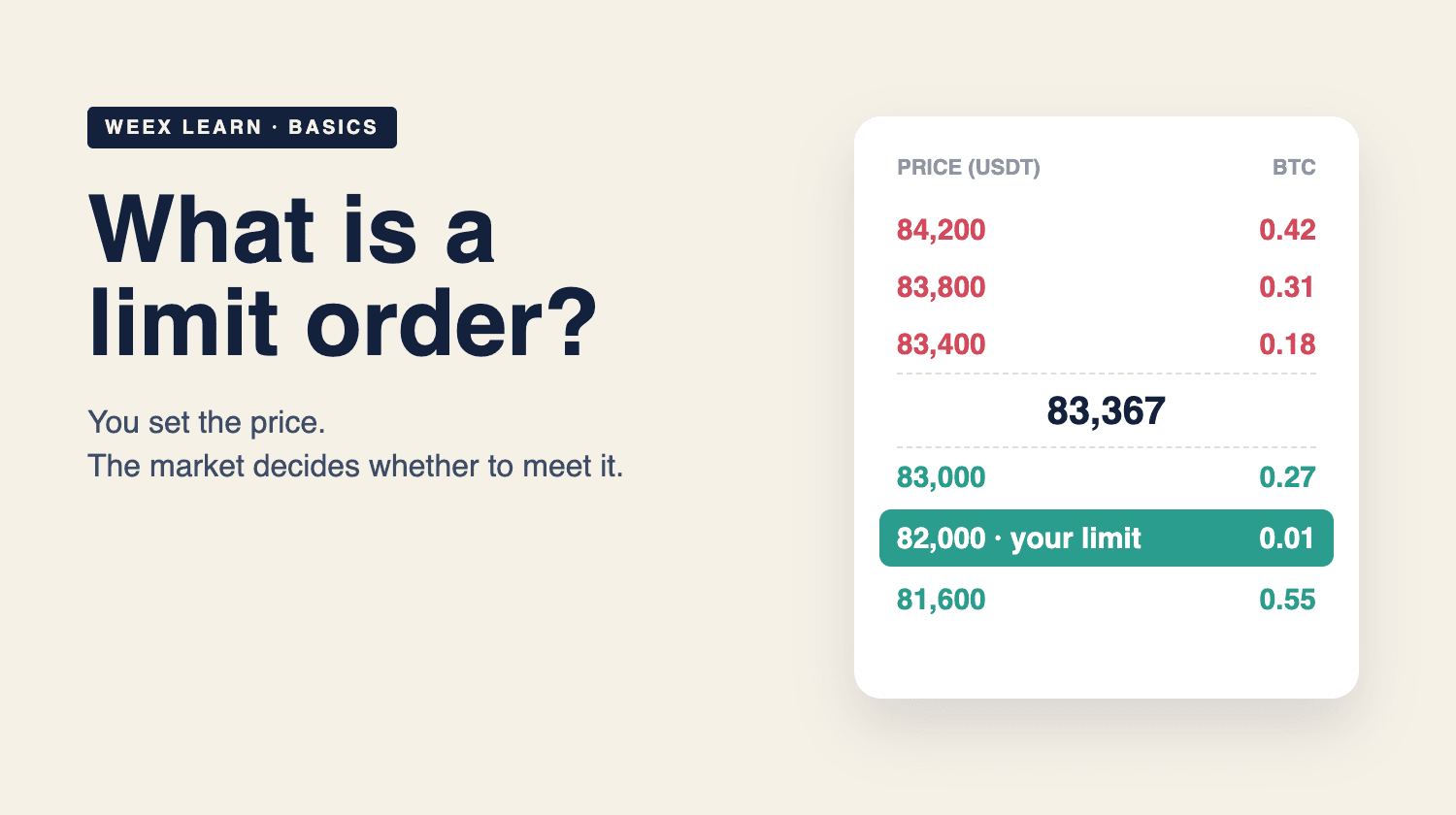
What Is a Limit Order? How It Works in Crypto With BTC Examples
Why Is STRK Up Over 25%? Starknet's Layer 1 Idea, the Quantum Roadmap and the Risks Behind the Jump
Flying Tesla Roadster (FTR) Coin: What Is It and What to Check Before Trading a Roadster Memecoin
Tesla Roadster Performance, Thrust and Rocket Trims: Specs, Price and 2028 Production
Cyberleek Token Risks: Memecoins Tied to Leaks, Anonymous Wallets and Why Verification Matters
Staking APR vs Inflation: How Much of Your Crypto Yield Is Real?
CRWV Stock Swings From -9.5% to +5.9%: Why CoreWeave Reversed


