
A Complete Guide to Using Trigger Orders on WEEX

 Prefer us on Google
On WEEX, efficient trade management and staying ahead of market shifts are vital for success. The Trigger Order feature is a robust tool that lets traders automate buy and sell points, eliminating the need for constant market monitoring to hit profit (TP) or stop-loss (SL) targets. This guide covers how trigger orders function, their key parameters, and ways to streamline your trading strategy with them.
What Is a Trigger Order?
A trigger order is an automated instruction to execute a trade when the market price reaches a predefined trigger price. It allows you to plan trades in advance, ideal for traders who want to set entry or exit points without staying glued to the market.
How Trigger Orders Work
Setting the Trigger Price and Quantity
To create a trigger order, you specify the trigger price (when the order activates) and quantity (the amount to trade). When the market or mark price hits the trigger price, your order is placed as either a limit or market order based on your settings.
Order Execution
Once the trigger price is reached, WEEX executes the order at your set price target and quantity. The price target is the execution price when the trigger condition is met.
Key Parameters of Trigger Orders
Here are the essential elements to understand for trigger orders on WEEX:
Trigger Type: Choose between:
Market Price (latest execution price)
Mark Price (reasonable mark price)
Trigger Price: The price that activates your order when matched by the market price.
Price Target: The price at which the order executes once triggered, as a limit or market order.
Quantity: The number of units or contracts to trade when the order executes.
Example Scenario: Using a Trigger Order
Imagine you want to short BTC/USDT at 28,250 USDT, but the current price is 28,182.9 USDT. You set a trigger order at 28,250 USDT, and your short order executes when the price hits that level.
If you later adjust the trigger price to 27,650 USDT while the market is still at 28,182.9 USDT, the order triggers immediately since the new trigger price (27,650) is below the current market price.
Important Notes About Trigger Orders
Exceeding Quantity Limits
If your order quantity surpasses the allowed limit, the system adjusts it to your current maximum limit.
Execution Challenges
Trigger orders may fail to execute due to:
Price restrictions
Quantity limits
Insufficient margin or position tier
Network disruptions
System issues
Modifying Trigger Orders
When updating a trigger order, the system compares the new trigger price to the current market price:
For long orders, if the new trigger price is above the market price, it executes immediately.
For short orders, if the new trigger price is below the market price, it also executes immediately.
Market Price vs. Trigger Price
Always account for the gap between the current market price and your trigger price when modifying orders to align with your strategy.
Benefits of Trigger Orders
Trigger orders boost trading efficiency by automating entries and exits. Here’s why they’re valuable:
Time Efficiency: Predefine conditions and let the system handle execution.
Risk Control: Set stop-loss or take-profit levels to manage risks effectively.
Seize Opportunities: Capture market movements without constant monitoring.
Conclusion
WEEX’s trigger order feature empowers you to automate trades based on specific market conditions. Whether aiming for a price target or waiting for a key level, trigger orders enable efficient trading without round-the-clock oversight.
By mastering trigger orders, you can refine your strategies, control risks, and stay ready for market opportunities.
For more trading insights, check the WEEX platform for the latest features!
This content is provided for general informational purposes only and doesn't constitute financial, investment, legal, or tax advice. Any events, rewards, online promotions, or related information mentioned herein should not be considered a recommendation, solicitation, or invitation to purchase, sell, trade, or otherwise deal in any crypto assets. Crypto assets are highly volatile and may result in loss. The availability of WEEX services, products, and related events may vary by region. You are responsible for ensuring that your participation is in accordance with applicable local laws and regulations.
You may also like

Flying Tesla Roadster (FTR) Coin: What Is It and What to Check Before Trading a Roadster Memecoin

Tesla Roadster Performance, Thrust and Rocket Trims: Specs, Price and 2028 Production

Cyberleek Token Risks: Memecoins Tied to Leaks, Anonymous Wallets and Why Verification Matters
Staking APR vs Inflation: How Much of Your Crypto Yield Is Real?
CRWV Stock Swings From -9.5% to +5.9%: Why CoreWeave Reversed
Starknet Independent L1 Vote: What It Really Means for STRK
WEEX Convert Fees: What Zero-Fee Conversion Really Costs You
WEEX Convert Quote: How the 8-Second Price Lock Really Works
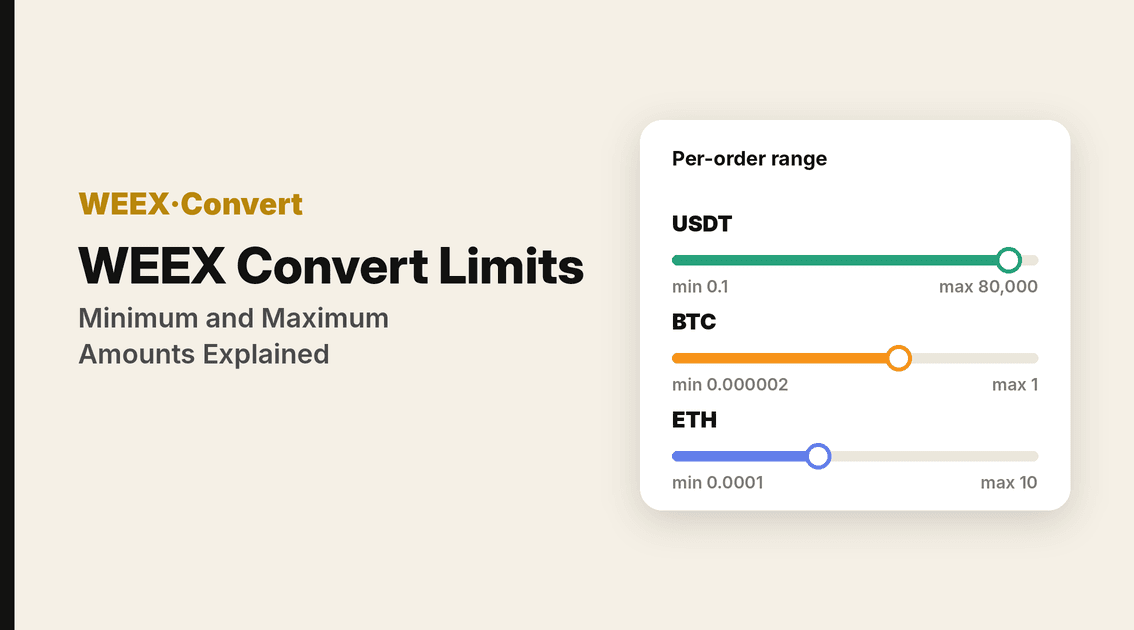
WEEX Convert Limits: Minimum and Maximum Amounts Explained
How to Check a WEEX Convert Order: History, Rate and Status

What Is Walrus Coin (WAL)? Why It Is Rising and What Is Still Unconfirmed
PYTH USDT After the 100% Rule: Buyback Mechanics, Overbought Signals and Risks Before Trading

USDC Significant EMT Status in the EU: What Changes on November 12 Under MiCA

APR vs APY in Crypto: Why the Bigger Number Can Mislead You
Walrus (WAL) Jumps 30%: Sui Storage Token Rallies on AI Data
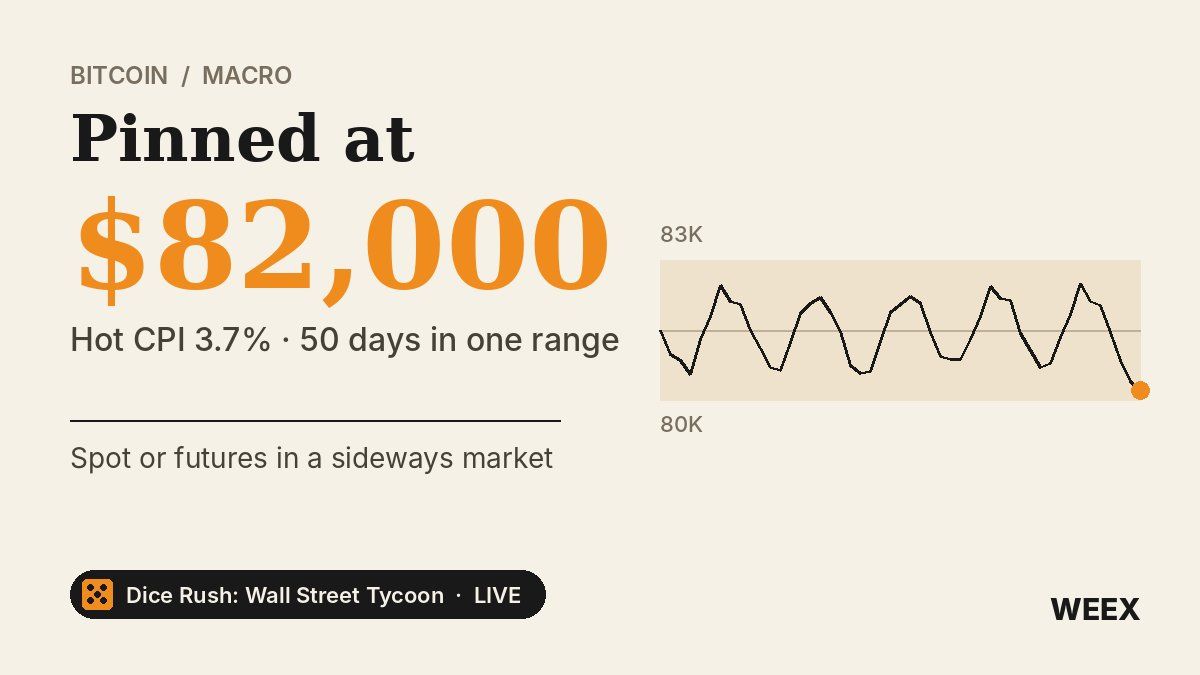
Bitcoin Price After Hot CPI: Why BTC Is Pinned Near $82,000
Sandisk Stock After a 524% Run: Why SNDK Keeps Sliding Now
CoreWeave Stock Plunges 15%: Why a Bond Yield Spooked CRWV
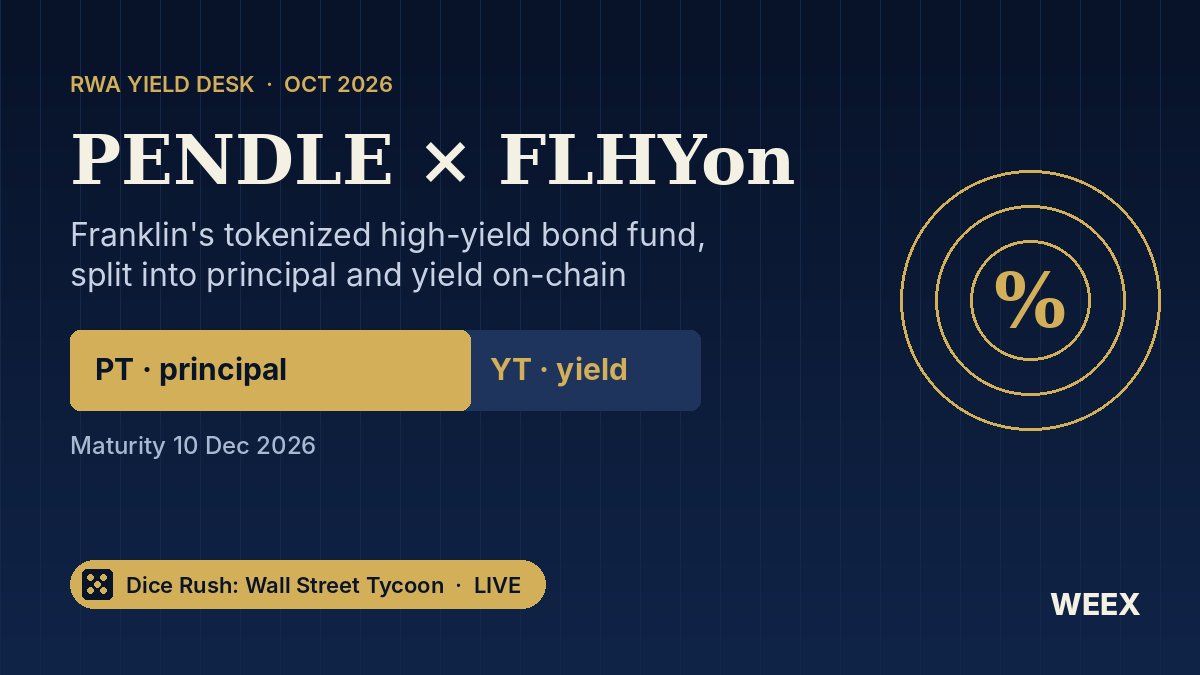
PENDLE Price and FLHYon: What Franklin's Bond Token Changes
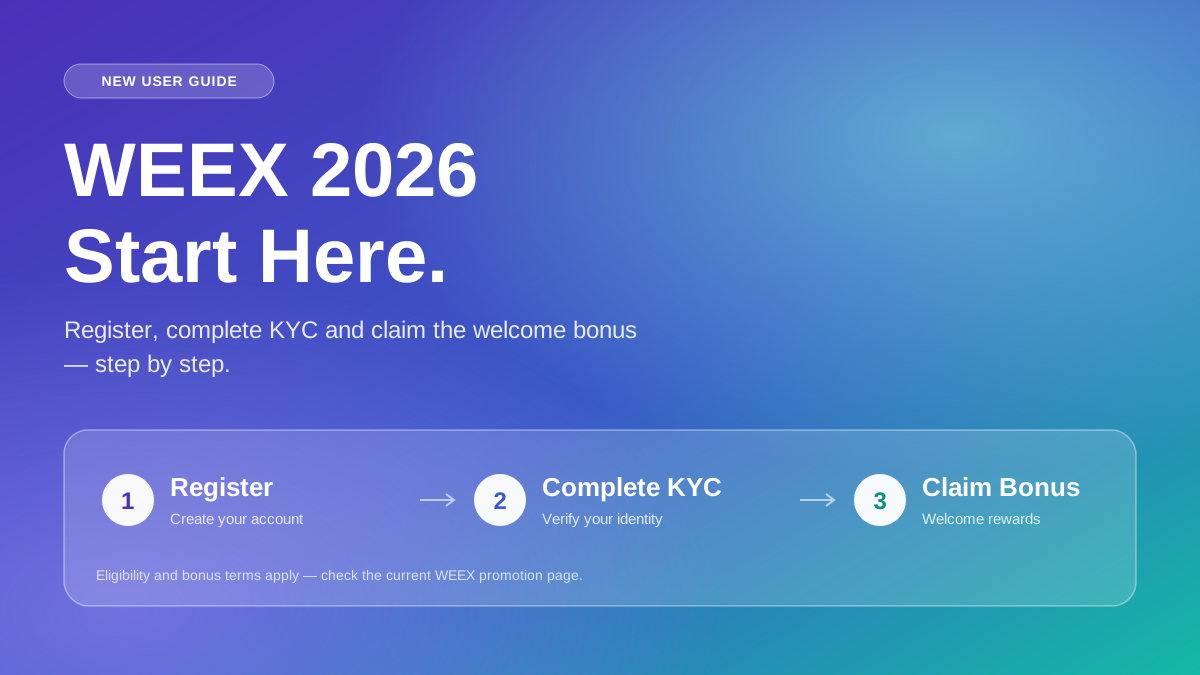
WEEX 2026 New User Guide: Register, Complete KYC, and Claim the Welcome Bonus (Step-by-Step)

WEEX Convert Guide: How to Swap Crypto on Web and App and What the Quote Really Means
ASML Stock Falls Despite a Record Q3 and Higher Outlook: Is the AI Chip Equipment Boom Already Priced In?

SKHY Stock Falls Again: Is the SK Hynix Selloff About China’s CXMT and YMTC or AI Profit-Taking?
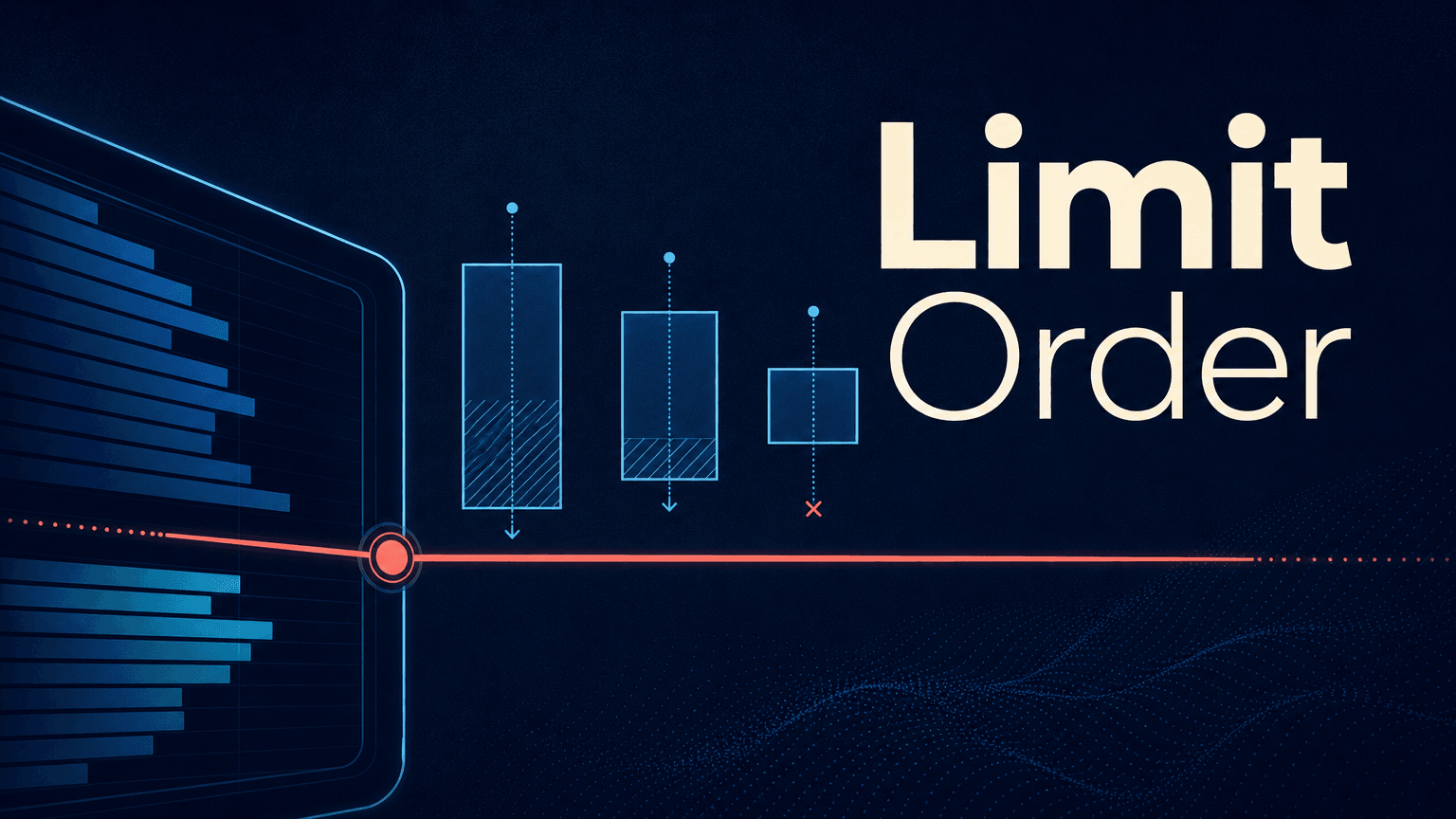
What Is a Limit Order? How It Works and When to Use It
Best Crypto Miner for Beginners: What to Check on Cost, Power, Hashprice and Profit Before You Buy
DeFi Vault vs Staking: Who Controls Your Yield and Your Exit?
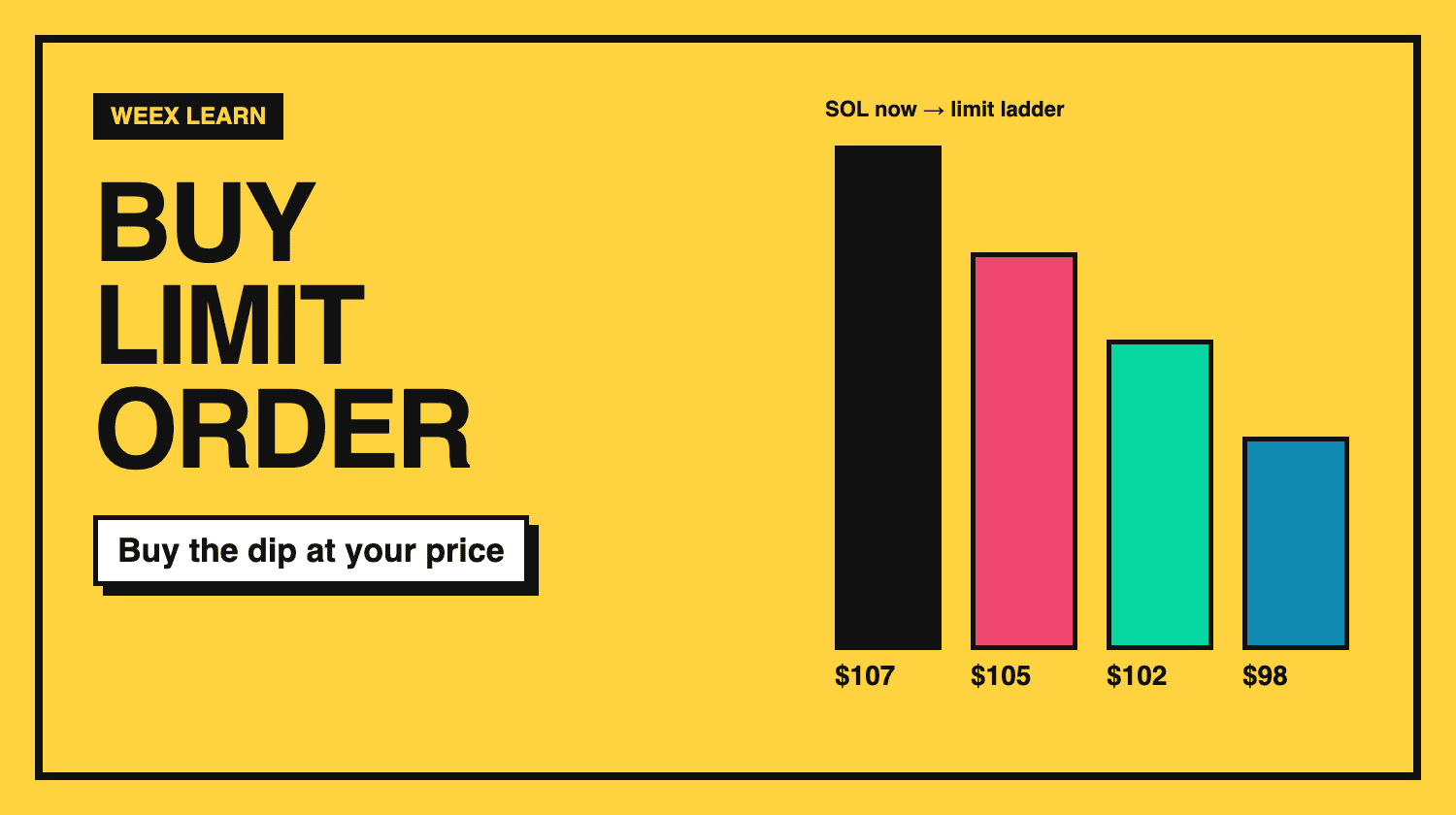
Buy Limit Order: How to Buy Crypto Below the Market Price
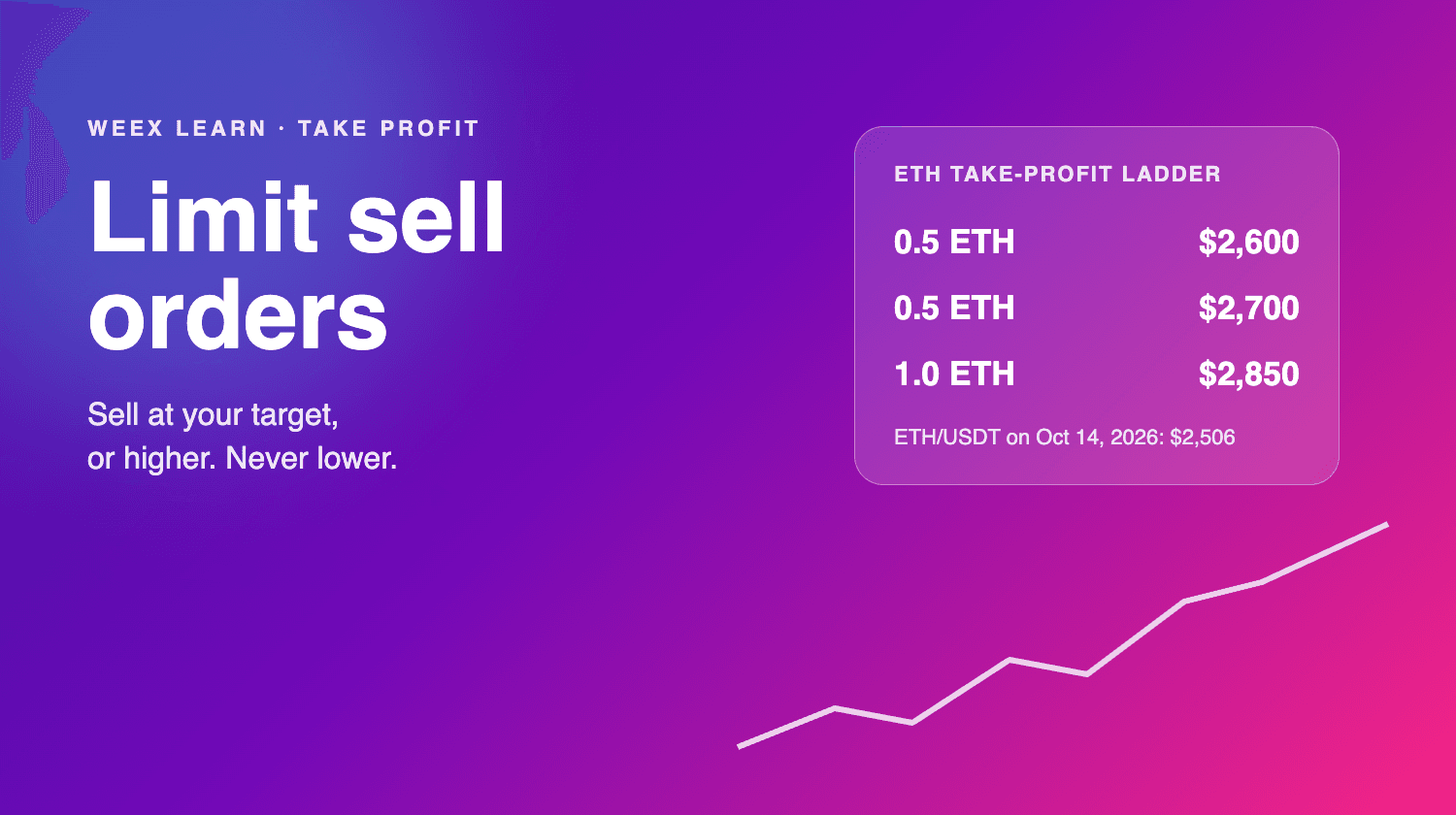
Limit Sell Order: How to Set a Take-Profit Price in Crypto
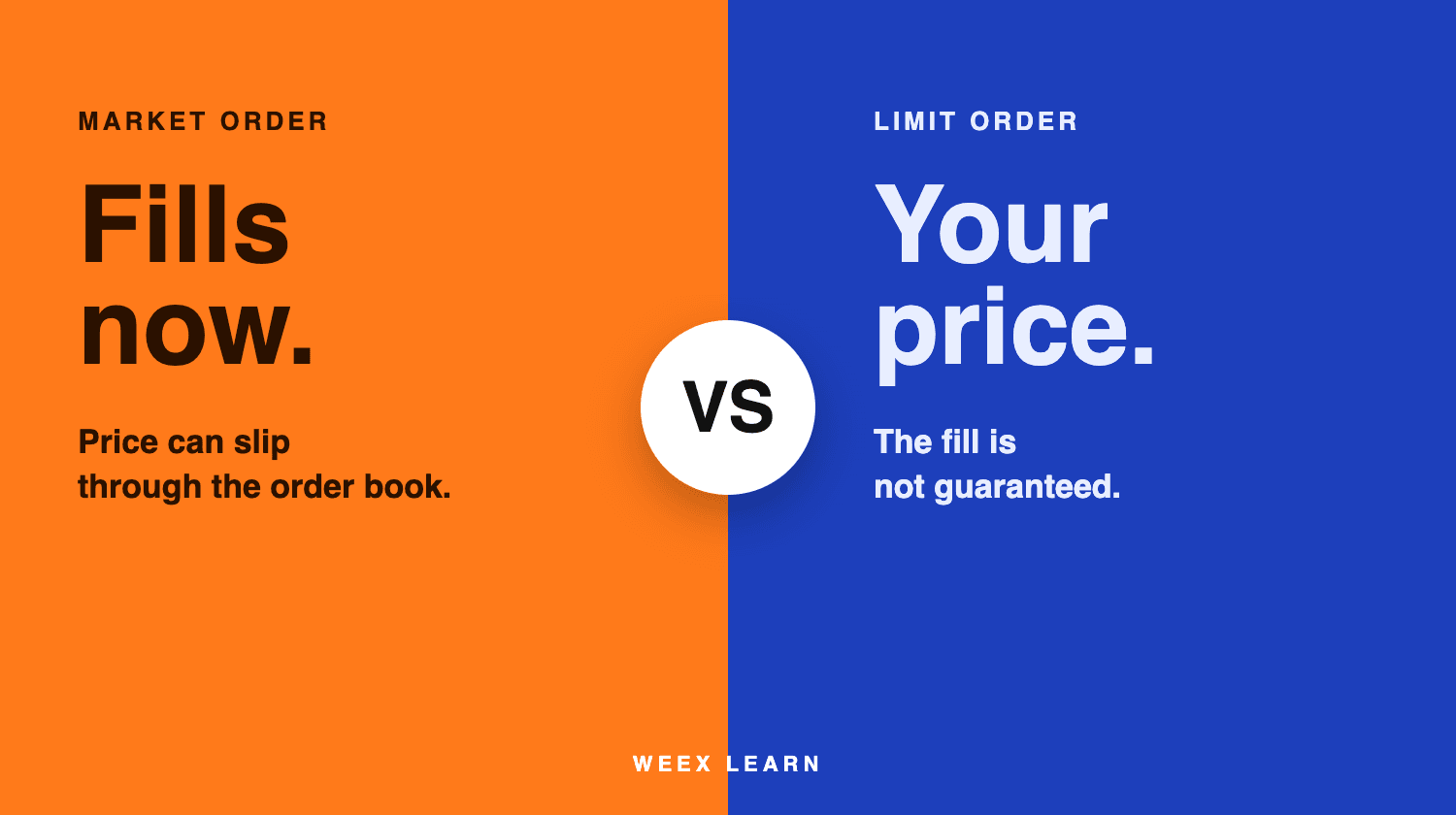
Limit Order vs Market Order: Which One to Use When Trading Crypto
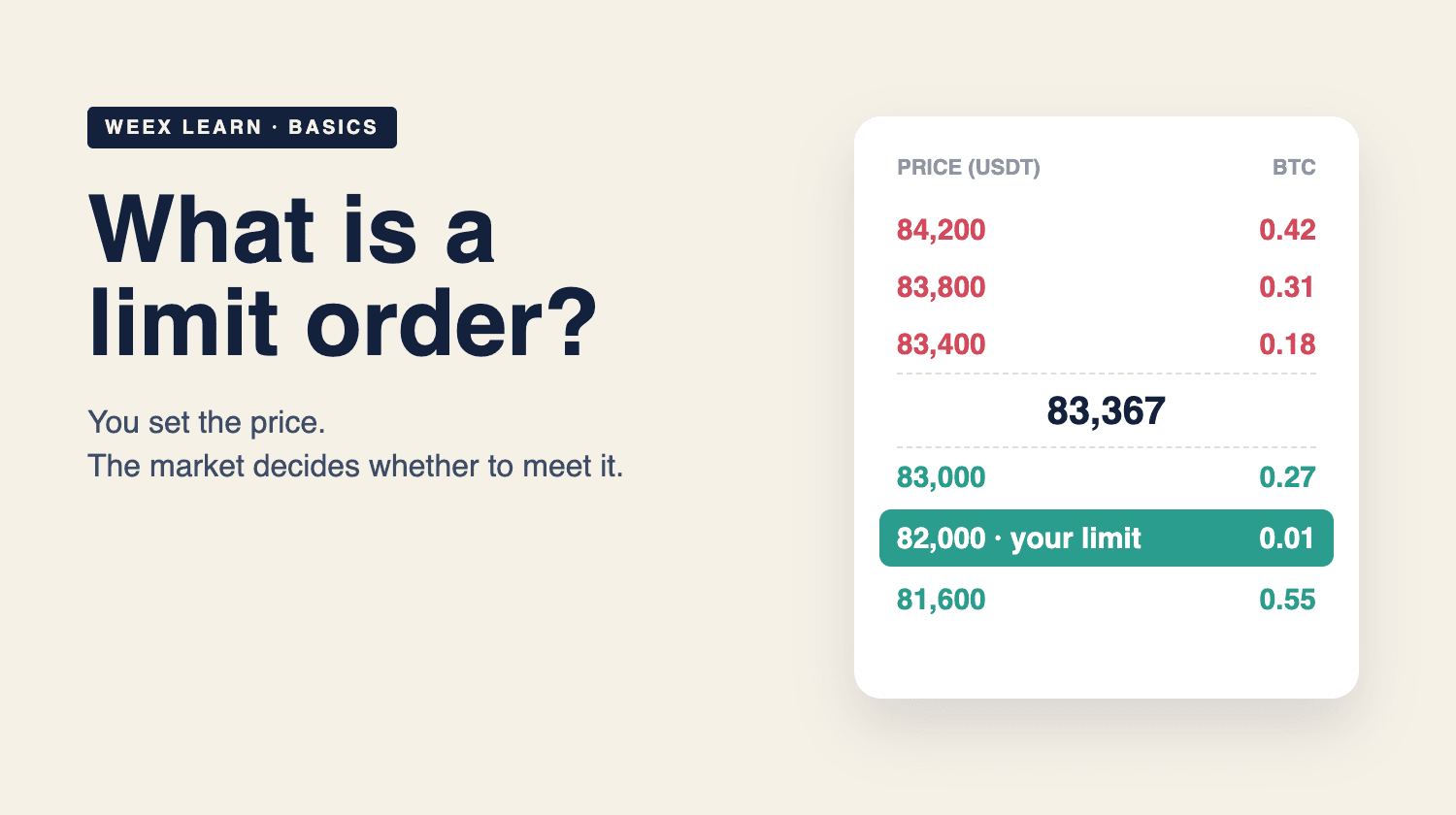
What Is a Limit Order? How It Works in Crypto With BTC Examples
Flying Tesla Roadster (FTR) Coin: What Is It and What to Check Before Trading a Roadster Memecoin
Tesla Roadster Performance, Thrust and Rocket Trims: Specs, Price and 2028 Production
Cyberleek Token Risks: Memecoins Tied to Leaks, Anonymous Wallets and Why Verification Matters
Staking APR vs Inflation: How Much of Your Crypto Yield Is Real?
CRWV Stock Swings From -9.5% to +5.9%: Why CoreWeave Reversed
Starknet Independent L1 Vote: What It Really Means for STRK


