
SEI: The Trading-Focused Blockchain and Its Token on WEEX

 Prefer us on Google

If you searched for “what is Sei” or “how to buy SEI”, separate background information from the market’s current state. Sei (SEI) is a crypto asset, not a promise of returns. On 16 September 2026, the WEEX futures ticker feed contained the active row cmt_seiusdt; its snapshot showed last 0.04177 in USDT and a 24-hour change of -4,3508%. These are API observations, not a forecast. The WEEX spot page for SEI-USDT also returned HTTP 200. Recheck availability before taking any action.
What is Sei (SEI)?
- Identity: Sei with ticker SEI; verify the name and ticker because similar symbols can refer to different projects.
- WEEX status: WEEX’s Russian token page names Sei and shows ticker SEI; an informational product route is not independent proof of liquidity.
- Market signal: the cmt_seiusdt row was read in the futures feed on 16 September 2026. Last, bid and ask fields change continuously.
How the project and token fit together
Project materials describe intended use, but a team’s description is not an independent code or financial audit. For SEI, first establish which protocol the asset belongs to, which network issues it and which actions actually require the token. A search result may call a layer-1 network, an application token and a meme asset a “coin”; do not transfer one version’s characteristics to another contract.
When a project publishes a roadmap, supply allocation or mechanism, record the document date and verify the official domain. A partner logo, social post or aggregator mention does not prove delivery. A useful explanation separates what the project says, what WEEX displays and what still needs checking.
Tokenomics: fields to check
| Field | How to read it | What it does not establish |
|---|---|---|
| Total and maximum supply | Compare official documentation with a chain explorer. | The number alone does not show future demand. |
| Circulating supply | Check the date, method and any self-reported label. | An incomplete field is not a precise figure. |
| Unlocks and allocation | Look for dates, recipients and a published table. | Do not infer selling pressure without an unlock schedule. |
| Fees and utility | Separate current use from plans. | Utility does not guarantee price or adoption. |
WEEX may show reference fields and market links. Template language about forecasts, bonuses or promotion is not primary evidence of a future result. This article does not build a valuation or replace project documentation.
-- Price
What an active WEEX pair means
cmt_seiusdt is the technical row name in the futures feed. Check the exact symbol, contract size, margin and settlement rules in the interface. The spot route is SEI-USDT on WEEX, and the product page is Sei on WEEX. A page slug does not prove that a displayed quote will remain available or that an order will fill at that quote.
Before acting, open the page, confirm the pair and market status, then read minimum size, fees, margin rules and account restrictions. Status can change after this snapshot. Follow applicable law and venue rules; this article does not suggest bypassing identity checks, sanctions or local requirements.
Main SEI risks
- Volatility: the API’s 24-hour percentage describes a past window, not tomorrow.
- Liquidity: a thin order book and bid–ask gap can increase slippage.
- Leverage: a futures position can shrink quickly or be liquidated in an adverse move; sizing and margin do not remove this risk.
- Identity: verify ticker, network and contract rather than copying an unchecked address.
- Protocol: contract bugs, an outage, key compromise or a contested upgrade can disrupt use.
- Information: claimed partnerships, deliveries and plans may be incomplete or outdated.
Reading data without rushing to a conclusion
Record the access time and source first. Compare name, ticker, network and market route. Then inspect volume, spread and history, not only the percentage change. Do not mix spot, futures and third-party data: units, windows and methods can differ. If figures conflict, record the discrepancy instead of choosing the convenient number.
Using WEEX cautiously
If you are researching the market, start in read-only mode: open SEI spot and separately SEI futures, then compare the symbol and rules. Account access, deposits, orders and withdrawals require your own availability check. Futures use leverage and carry a risk of rapid loss, including liquidation; leverage is not a measure of project quality.
Frequently asked questions
Is SEI on WEEX?
On the 16 September 2026 snapshot, the futures feed contained cmt_seiusdt, and the Russian SEI-USDT spot page returned HTTP 200. This status can change, so check again.
Is the current quote a forecast?
No. 0.04177 and -4,3508% describe the API read time. They do not support a future-price prediction.
Which matters more, market size or tokenomics?
Neither on its own. Token identity, liquidity, contract code and the rules of the market you are using all need checking.
Related: What is RENDER (RENDER)? · What is Shiba Inu (SHIB)? · PROM token: what can be verified
This article is for information only and is not investment advice. Data is dated to the access check and may change.
This content is provided for general informational purposes only and doesn't constitute financial, investment, legal, or tax advice. Any events, rewards, online promotions, or related information mentioned herein should not be considered a recommendation, solicitation, or invitation to purchase, sell, trade, or otherwise deal in any crypto assets. Crypto assets are highly volatile and may result in loss. The availability of WEEX services, products, and related events may vary by region. You are responsible for ensuring that your participation is in accordance with applicable local laws and regulations.
You may also like
New Coins on WEEX: How to Check Listings, Pages and Risks
Shiba Inu (SHIB): What to Check Before Trading on WEEX
Flying Tesla Roadster (FTR) Coin: What Is It and What to Check Before Trading a Roadster Memecoin
Tesla Roadster Performance, Thrust and Rocket Trims: Specs, Price and 2028 Production
Cyberleek Token Risks: Memecoins Tied to Leaks, Anonymous Wallets and Why Verification Matters
Staking APR vs Inflation: How Much of Your Crypto Yield Is Real?
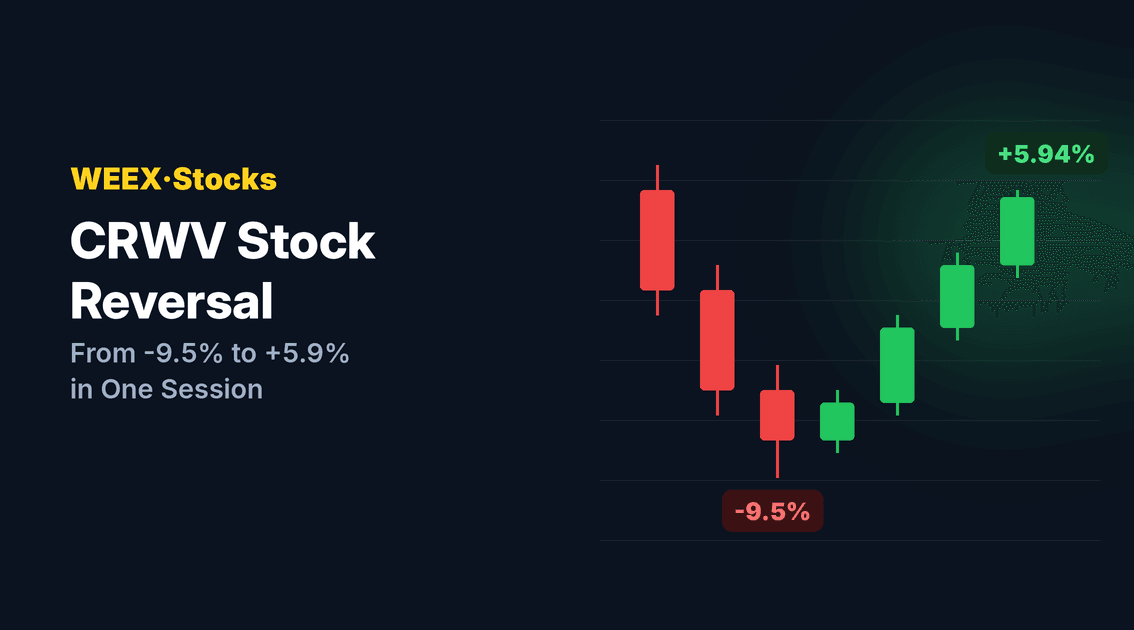
CRWV Stock Swings From -9.5% to +5.9%: Why CoreWeave Reversed
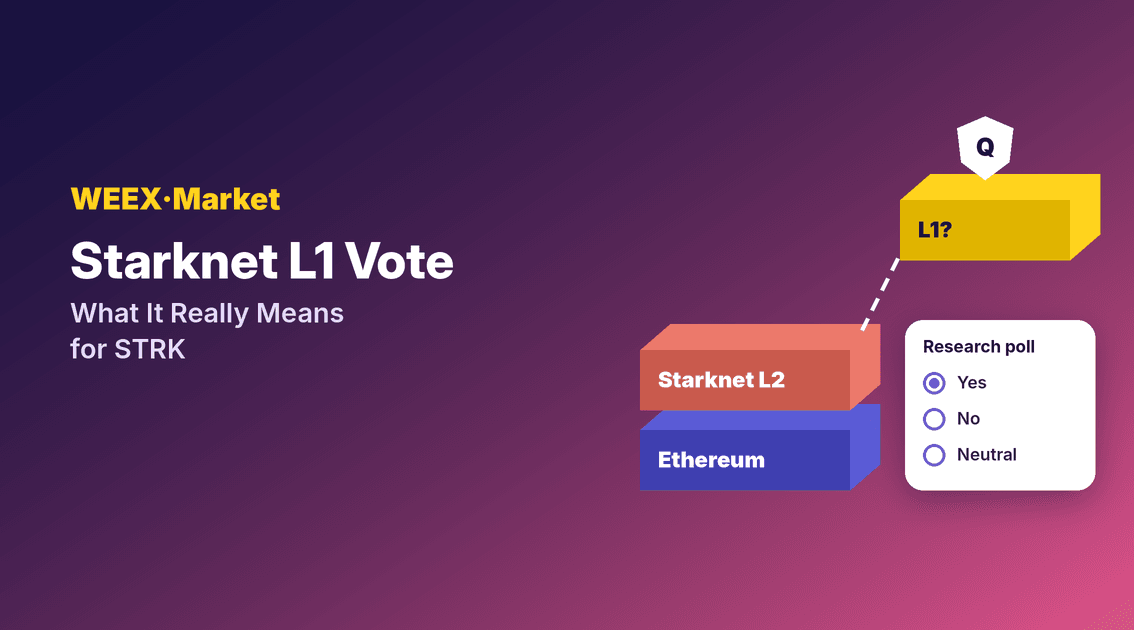
Starknet Independent L1 Vote: What It Really Means for STRK
WEEX Convert Fees: What Zero-Fee Conversion Really Costs You
WEEX Convert Quote: How the 8-Second Price Lock Really Works
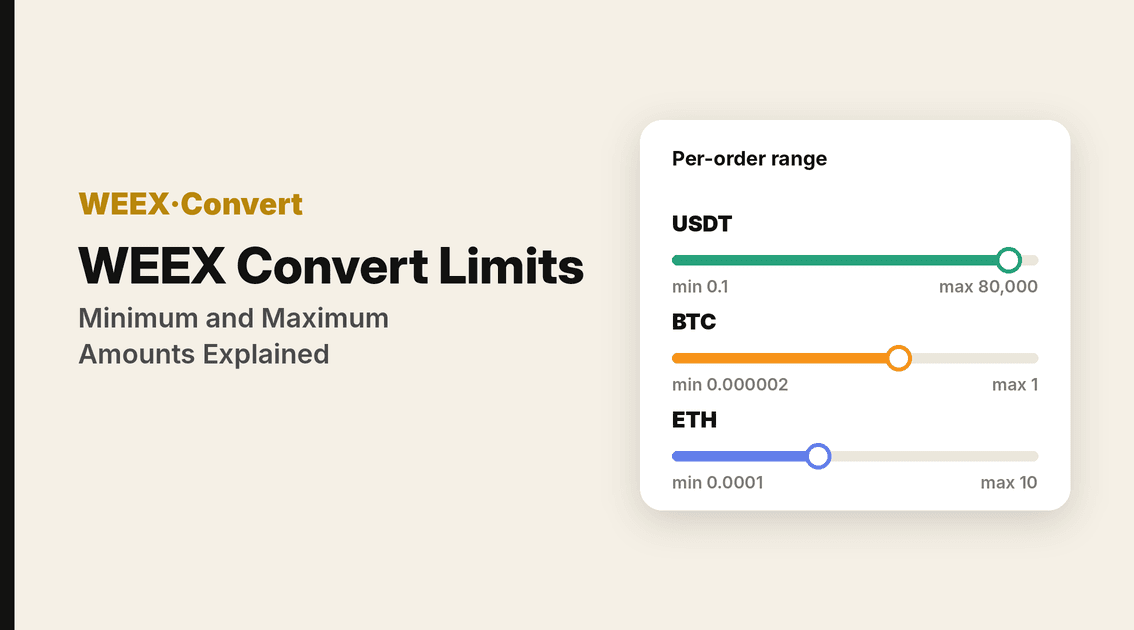
WEEX Convert Limits: Minimum and Maximum Amounts Explained
How to Check a WEEX Convert Order: History, Rate and Status
What Is Walrus Coin (WAL)? Why It Is Rising and What Is Still Unconfirmed
PYTH USDT After the 100% Rule: Buyback Mechanics, Overbought Signals and Risks Before Trading
USDC Significant EMT Status in the EU: What Changes on November 12 Under MiCA
APR vs APY in Crypto: Why the Bigger Number Can Mislead You
Walrus (WAL) Jumps 30%: Sui Storage Token Rallies on AI Data
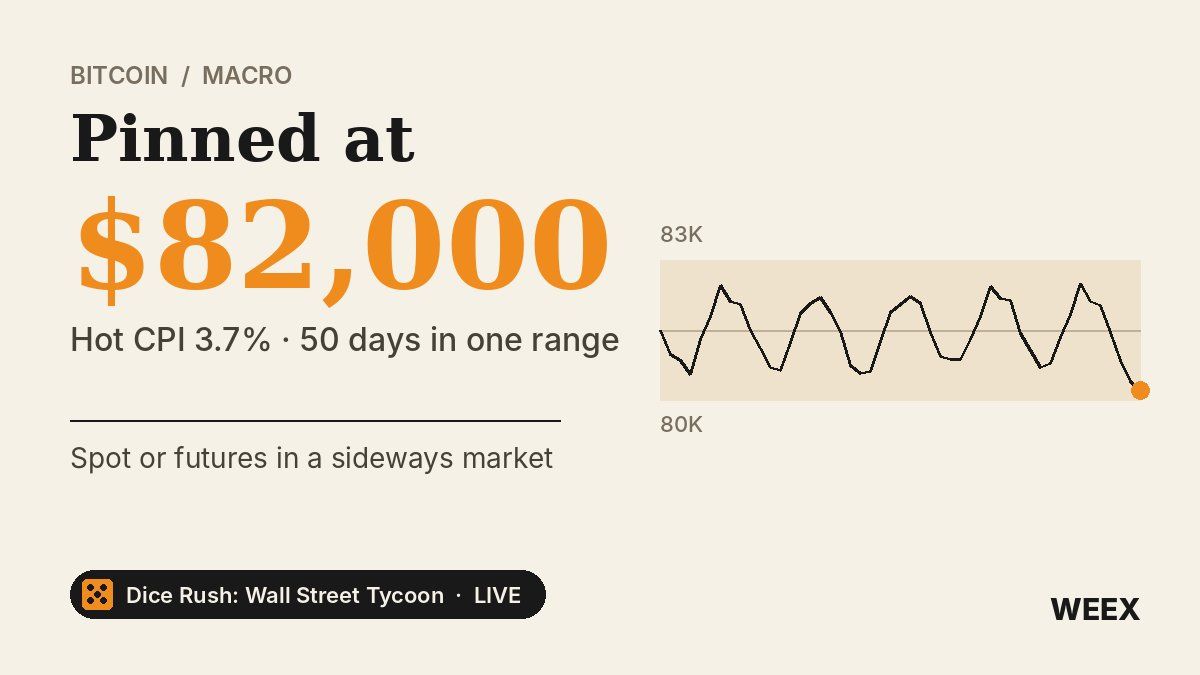
Bitcoin Price After Hot CPI: Why BTC Is Pinned Near $82,000
Sandisk Stock After a 524% Run: Why SNDK Keeps Sliding Now
CoreWeave Stock Plunges 15%: Why a Bond Yield Spooked CRWV
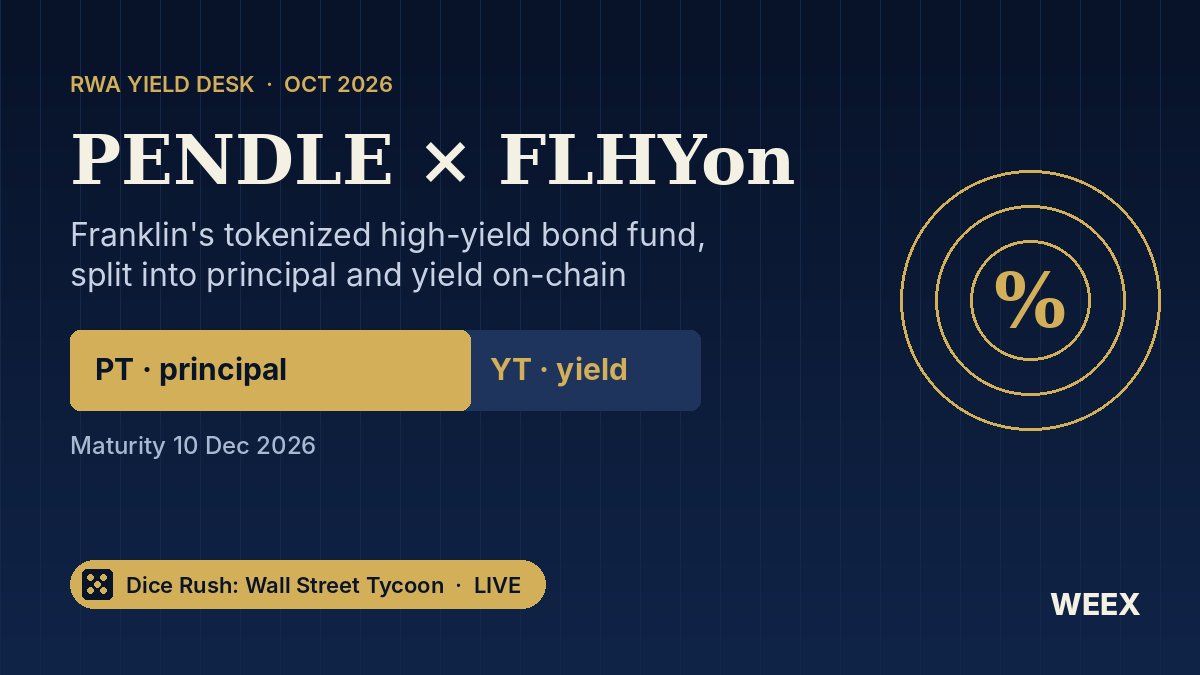
PENDLE Price and FLHYon: What Franklin's Bond Token Changes
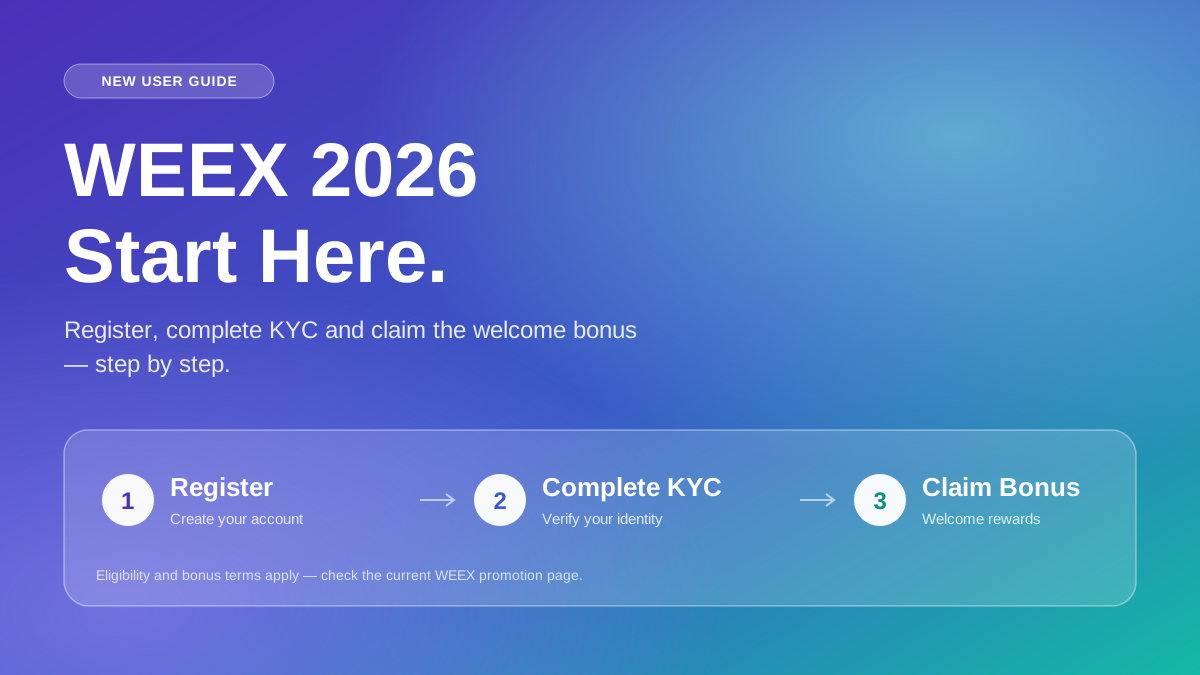
WEEX 2026 New User Guide: Register, Complete KYC, and Claim the Welcome Bonus (Step-by-Step)
WEEX Convert Guide: How to Swap Crypto on Web and App and What the Quote Really Means
ASML Stock Falls Despite a Record Q3 and Higher Outlook: Is the AI Chip Equipment Boom Already Priced In?

SKHY Stock Falls Again: Is the SK Hynix Selloff About China’s CXMT and YMTC or AI Profit-Taking?
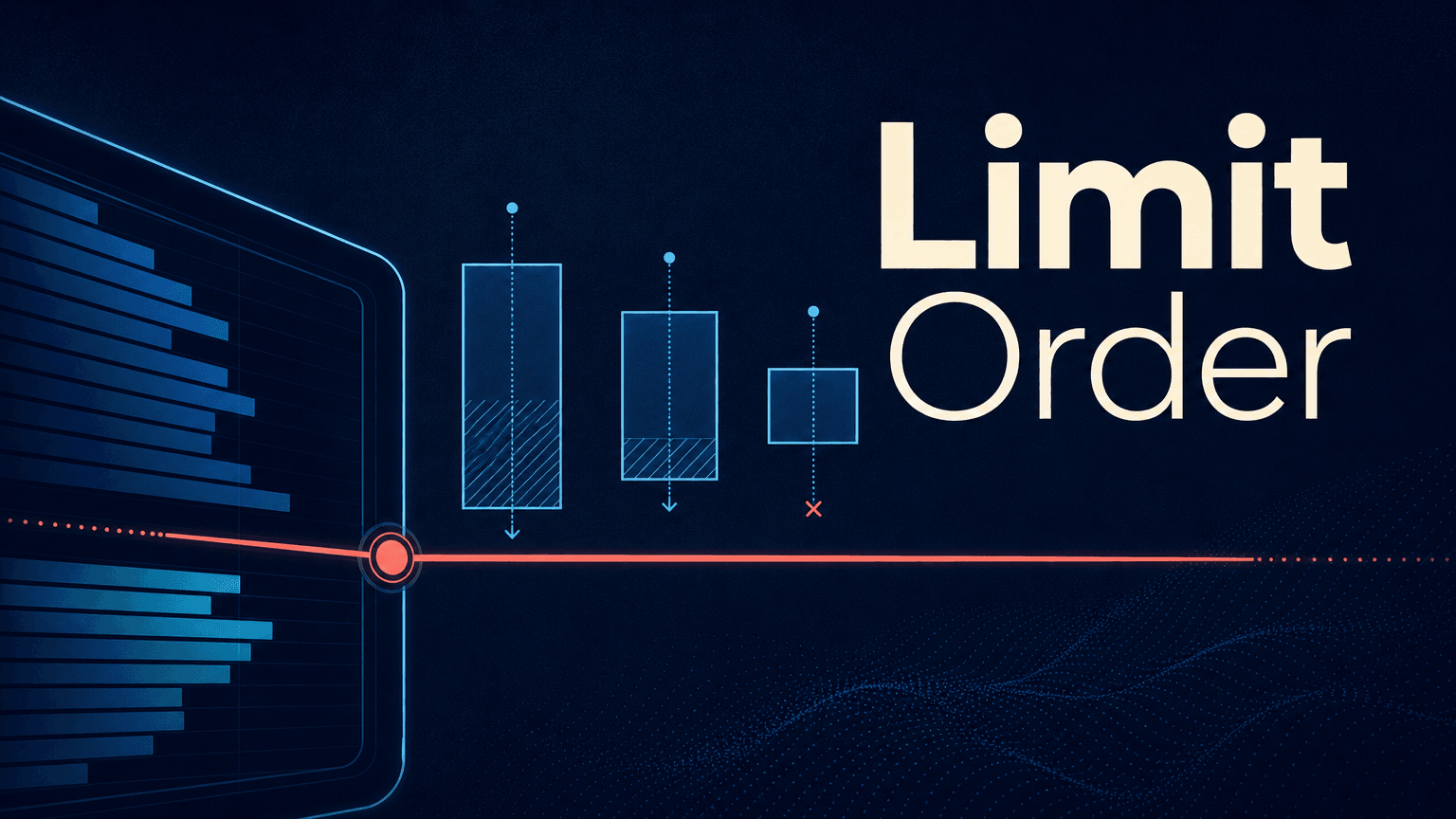
What Is a Limit Order? How It Works and When to Use It
Best Crypto Miner for Beginners: What to Check on Cost, Power, Hashprice and Profit Before You Buy
DeFi Vault vs Staking: Who Controls Your Yield and Your Exit?
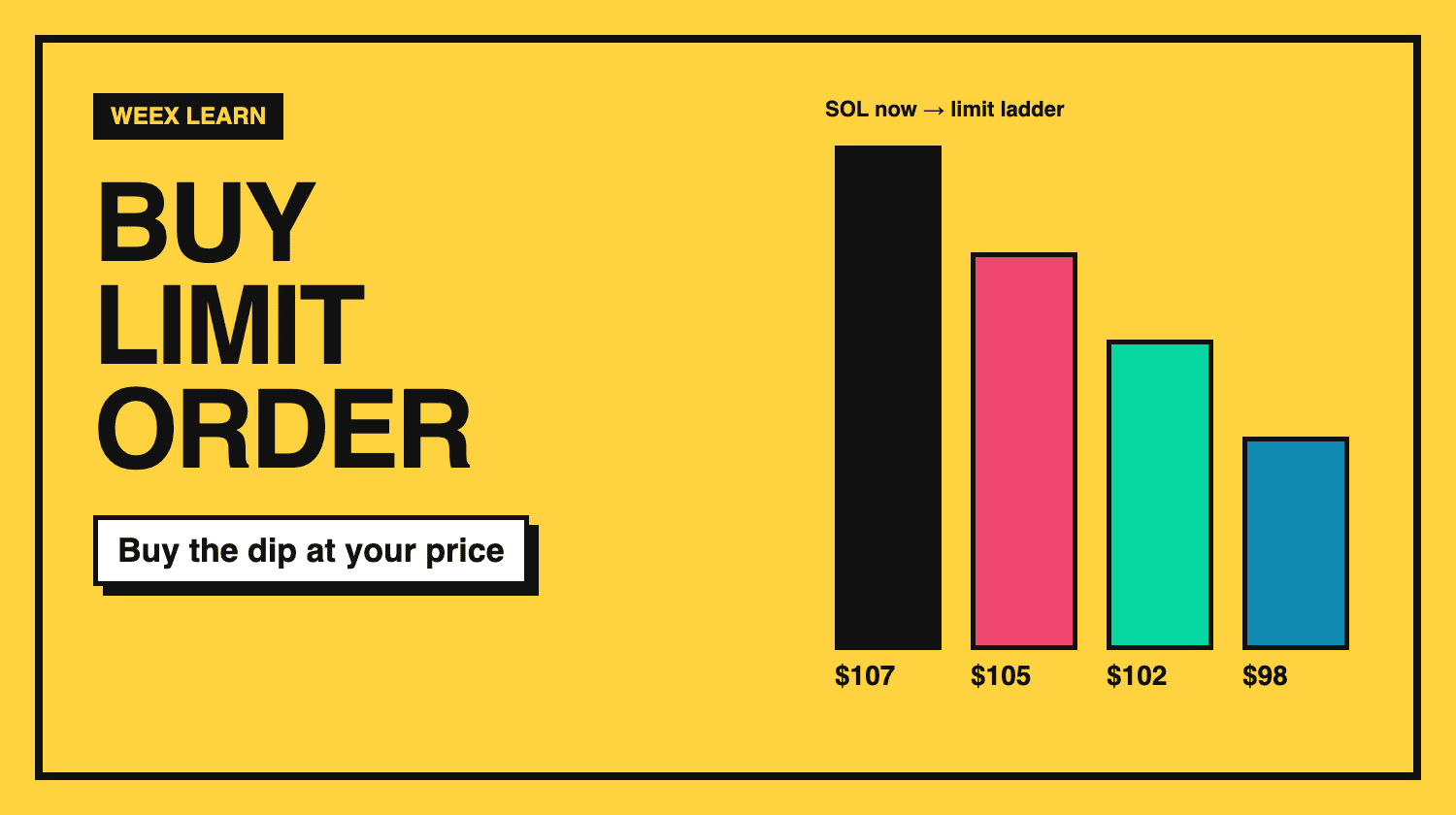
Buy Limit Order: How to Buy Crypto Below the Market Price
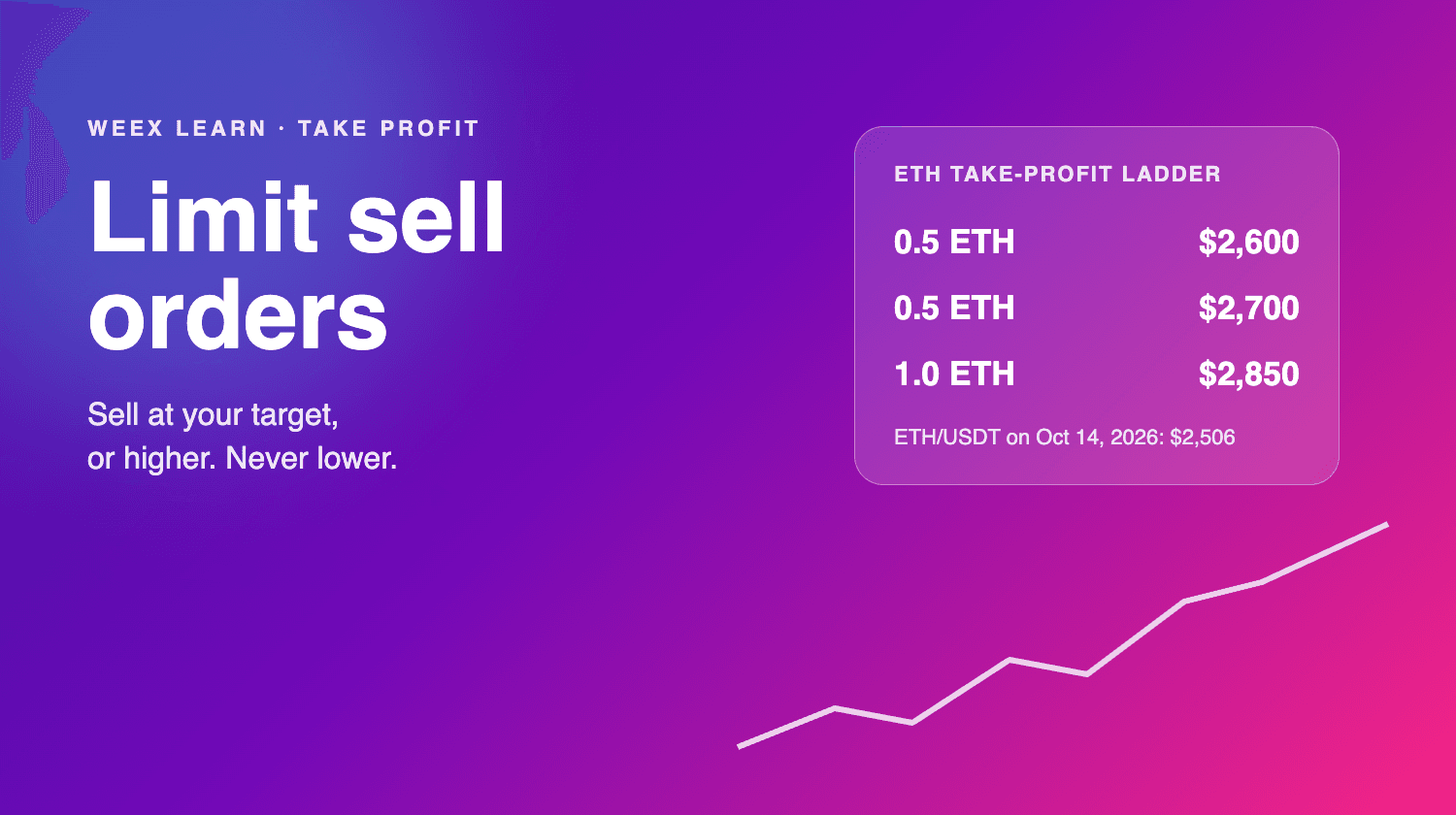
Limit Sell Order: How to Set a Take-Profit Price in Crypto
New Coins on WEEX: How to Check Listings, Pages and Risks
Shiba Inu (SHIB): What to Check Before Trading on WEEX
Flying Tesla Roadster (FTR) Coin: What Is It and What to Check Before Trading a Roadster Memecoin
Tesla Roadster Performance, Thrust and Rocket Trims: Specs, Price and 2028 Production
Cyberleek Token Risks: Memecoins Tied to Leaks, Anonymous Wallets and Why Verification Matters
Staking APR vs Inflation: How Much of Your Crypto Yield Is Real?
Contents
Popular coins
Latest articles


