Trade to Earn: How Your Everyday Trades Can Start Earning for You

 Prefer us on Google


Ready to change how you profit from the crypto market? For too long, the narrative has been confined to HODL or intense Day Trading. Now, a new paradigm is emerging: Trade to Earn. This innovative model fundamentally shifts the user-exchange relationship, allowing active traders to auto earn a dual income stream simply by executing their normal strategy. Trade to Earn is poised to be the digital asset space’s next major incentive model. This article explores what Trade to Earn means, how it evolved, why it might matter for you — and how WEEX implements it.
What is Trade to Earn
“Trade To Earn” is a reward mechanism layered on top of normal trading, transforming trading activity into a form of auto earn income. Users receive rewards (typically in the form of the platform’s native token) as a direct rebate or incentive based on their trading activity, such as volume, frequency, or liquidity provided.
Unlike traditional trading, where profit relies solely on market movements, Trade to Earn adds a second potential income stream: trade-generated rewards. For example, when you trade spot or futures, a portion of the trading fees or volume-based rewards are returned to you as tokens or rebates. It turns a normally costly or neutral activity into one that automatically generates additional benefits.
In essence, Trade to Earn leverages the blockchain incentive model to turn trading itself into an "earning activity," similar to how mining or staking rewards incentivize network participation.
The Evolution of Trade to Earn
Trade to Earn didn’t emerge overnight. It is the result of years of experimentation in blockchain incentive design — a shift away from rewarding passive holding, toward rewarding real user activity.
The foundations were laid in 2021 during the DeFi boom, when protocols began distributing tokens to users who actively participated rather than those who simply held assets. A defining moment came with dYdX’s $DYDX airdrop, which rewarded traders based on their historical trading volume. For many traders, this was a first-of-its-kind experience: meaningful rewards, earned simply by trading as usual.
That moment sent a clear signal across the industry — activity itself had measurable value.
Between 2022 and 2023, decentralized exchanges pushed the concept further. Platforms like GMX introduced fee-sharing mechanisms through GLP, while Injective rolled out recurring incentive programs that attracted sustained global trading participation. These experiments proved that incentives could drive long-term engagement, not just short-lived volume spikes around token launches.
By 2024, centralized exchanges began adopting similar mechanics at scale. Trading tournaments, large prize pools, leaderboards, and milestone-based rewards evolved from one-off marketing campaigns into structured, gamified loyalty systems.
Today, Trade to Earn has matured into a mainstream incentive model. Rather than treating trades as isolated actions, it recognizes trading activity as an ongoing contribution — one that accumulates over time and rewards consistency, engagement, and participation.
Why Trade to Earn Matters to Traders
The traditional user-exchange relationship was transactional: You pay fees, the platform profits. Trade to Earn replaces this with a new paradigm where your activity is an asset, and your loyalty is rewarded.
Get Rewarded for Real Actions
Trade to Earn flips the script by rewarding active participation, not just passive holding. You earn because you trade, not because you simply hold tokens or wait for luck. Every executed trade contributes to tangible rewards, making your time, decisions, and market participation count. It's an auto earn mechanism tied directly to your trading skill.
Reduce Trading Costs
Fees are one of the biggest long-term drags on trading performance. Trade to Earn effectively offsets those costs by returning value through rewards or rebates. You don’t need to trade more, trade differently, or take extra risk — you simply pay less over time while doing what you already do.
Turn Short-Term Activity into Long-Term Value
Most trades end when the position closes. Trade to Earn extends the value lifecycle of each trade. Your past activity can unlock ongoing benefits, additional rewards, or ecosystem privileges, such as higher staking yields, governance rights, or premium feature access — transforming one-time actions into compounding participation value.
Share in the Value You Help Create
On traditional exchanges, trading activity mainly benefits the platform. With Trade to Earn, traders share in the value they help create, turning everyday trading into a direct stake in platform growth. As participation increases, rewards scale alongside activity, creating a system where contribution and returns are closely aligned.
-- Price
Join WEEX Trade to Earn
WEEX offers a concrete example of Trade to Earn in action, turning your everyday futures trading into a source of ongoing rewards and without changing your strategy.
- Up to 30% Rebate: Users receive up to a 30% trading fee rebate, paid in WXT (WEEX’s platform token). This effectively converts trading fees into an auto earn return, significantly lowering your net trading cost.
- Unlimited & Scalable: The program features an unlimited reward pool. Your rewards scale purely with your share of the total trading volume — Trade More, Earn More.
- WXT Value Support: All rewards are credited directly to your spot account. Crucially, WEEX will conduct a 2,000,000 USDT public WXT buyback after Phase 1 ends to support the token's long-term value.
Simple Steps to Join:
- Register on the event page https://www.weex.com/events/futures-trading/trade-to-earn
- Trade USDT-M perpetual futures as usual.
- Receive WXT rewards upon event conclusion.
The clock is ticking until December 15, 2025. Maximize your rewards by starting now. Don't let another trade cost you when it could be earning for you.
About WEEX
Founded in 2018, WEEX has developed into a global crypto exchange with over 6.2 million users across more than 130 countries. The platform emphasizes security, liquidity, and usability, providing over 1,200 trading pairs and offering up to 400x leverage in crypto futures trading. In addition to traditional spot and derivatives markets, WEEX is expanding rapidly in the AI era — delivering real-time AI news, empowering users with AI trading tools, and exploring innovative trade-to-earn models that make intelligent trading more accessible to everyone. Its 1,000 BTC Protection Fund further strengthens asset safety and transparency, while features such as copy trading and advanced trading tools allow users to follow professional traders and experience a more efficient, intelligent trading journey.
Follow WEEX on social media:
Instagram: @WEEX Exchange
TikTok: @weex_global
YouTube: @WEEX_Global
Discord: WEEX Community
Telegram: WeexGlobal Group
Risk Reminder
Futures trading involves risk. Please manage leverage and position sizes carefully.
All rewards are subject to the official event rules and will be distributed after the event ends.
This content is provided for general informational purposes only and doesn't constitute financial, investment, legal, or tax advice. Any events, rewards, online promotions, or related information mentioned herein should not be considered a recommendation, solicitation, or invitation to purchase, sell, trade, or otherwise deal in any crypto assets. Crypto assets are highly volatile and may result in loss. The availability of WEEX services, products, and related events may vary by region. You are responsible for ensuring that your participation is in accordance with applicable local laws and regulations.
You may also like

What is ApeX Protocol (APEX) Coin: A Deep Dive into the DeFi Derivatives DEX

What is Avantis (AVNT) Coin? A Comprehensive Guide to the DeFi & RWA Perpetuals Exchange

What is Tradoor Coin? A Guide to the DeFi Derivatives Platform

Cyberleek Token Risks: Memecoins Tied to Leaks, Anonymous Wallets and Why Verification Matters
Staking APR vs Inflation: How Much of Your Crypto Yield Is Real?
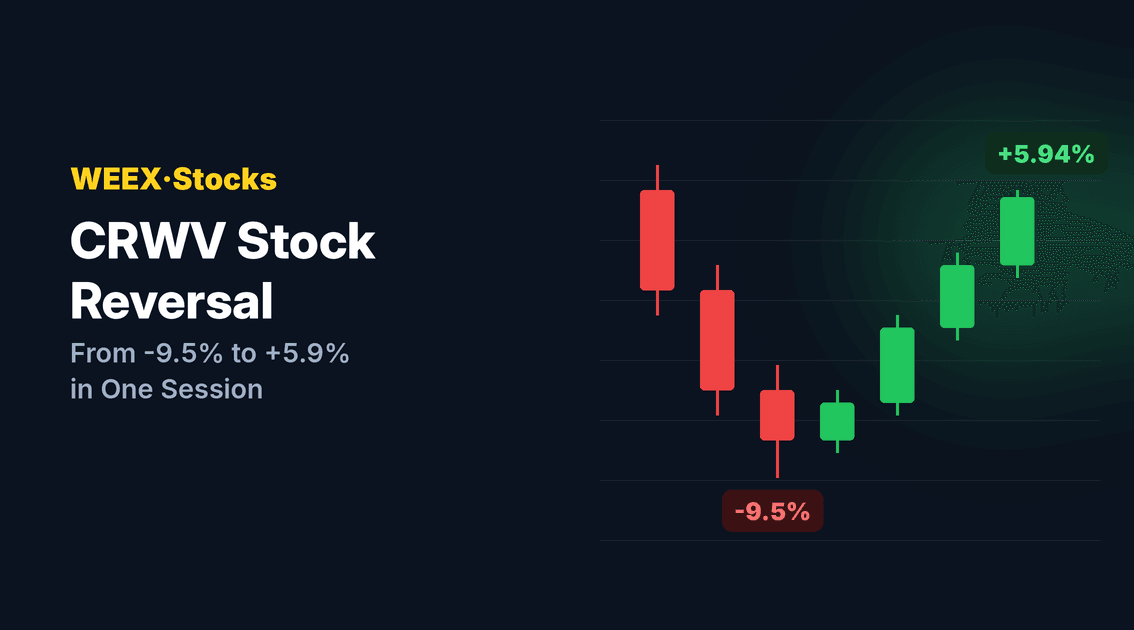
CRWV Stock Swings From -9.5% to +5.9%: Why CoreWeave Reversed
Starknet Independent L1 Vote: What It Really Means for STRK
WEEX Convert Fees: What Zero-Fee Conversion Really Costs You
WEEX Convert Quote: How the 8-Second Price Lock Really Works
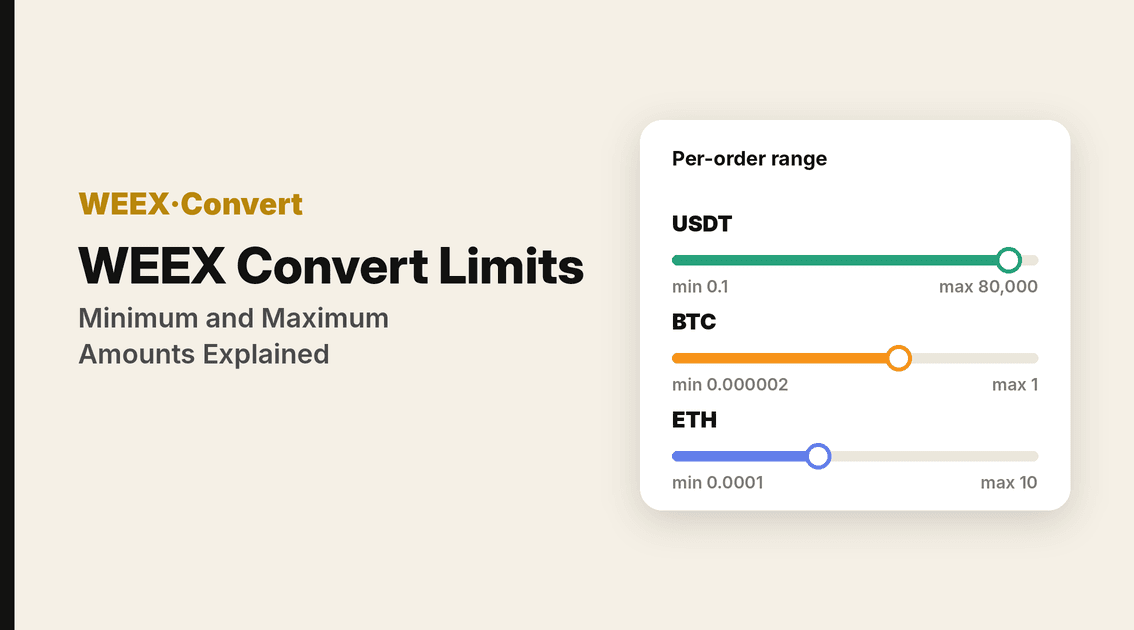
WEEX Convert Limits: Minimum and Maximum Amounts Explained
How to Check a WEEX Convert Order: History, Rate and Status

What Is Walrus Coin (WAL)? Why It Is Rising and What Is Still Unconfirmed
PYTH USDT After the 100% Rule: Buyback Mechanics, Overbought Signals and Risks Before Trading
USDC Significant EMT Status in the EU: What Changes on November 12 Under MiCA

APR vs APY in Crypto: Why the Bigger Number Can Mislead You
Walrus (WAL) Jumps 30%: Sui Storage Token Rallies on AI Data
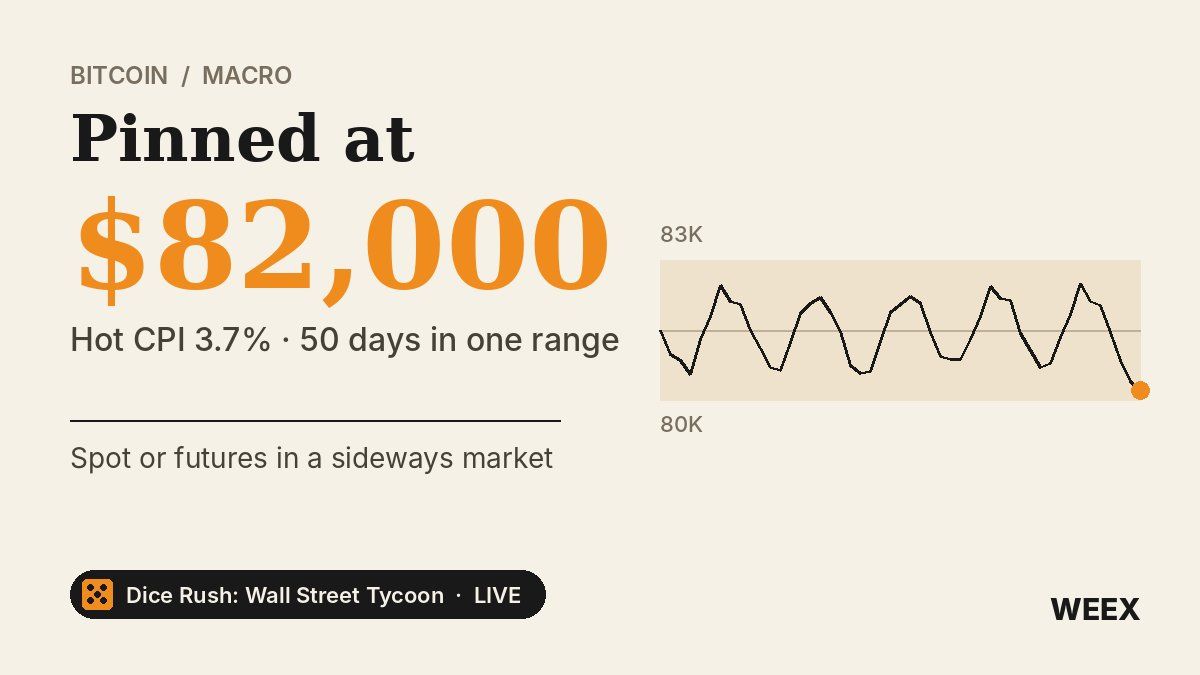
Bitcoin Price After Hot CPI: Why BTC Is Pinned Near $82,000
Sandisk Stock After a 524% Run: Why SNDK Keeps Sliding Now
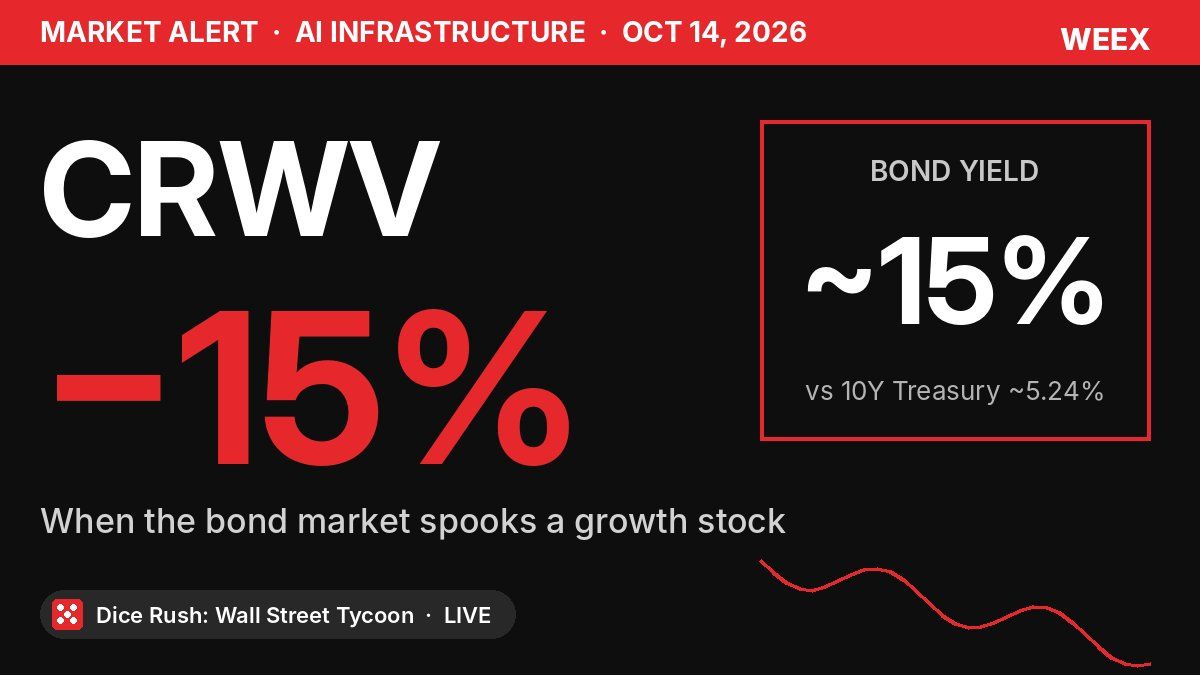
CoreWeave Stock Plunges 15%: Why a Bond Yield Spooked CRWV
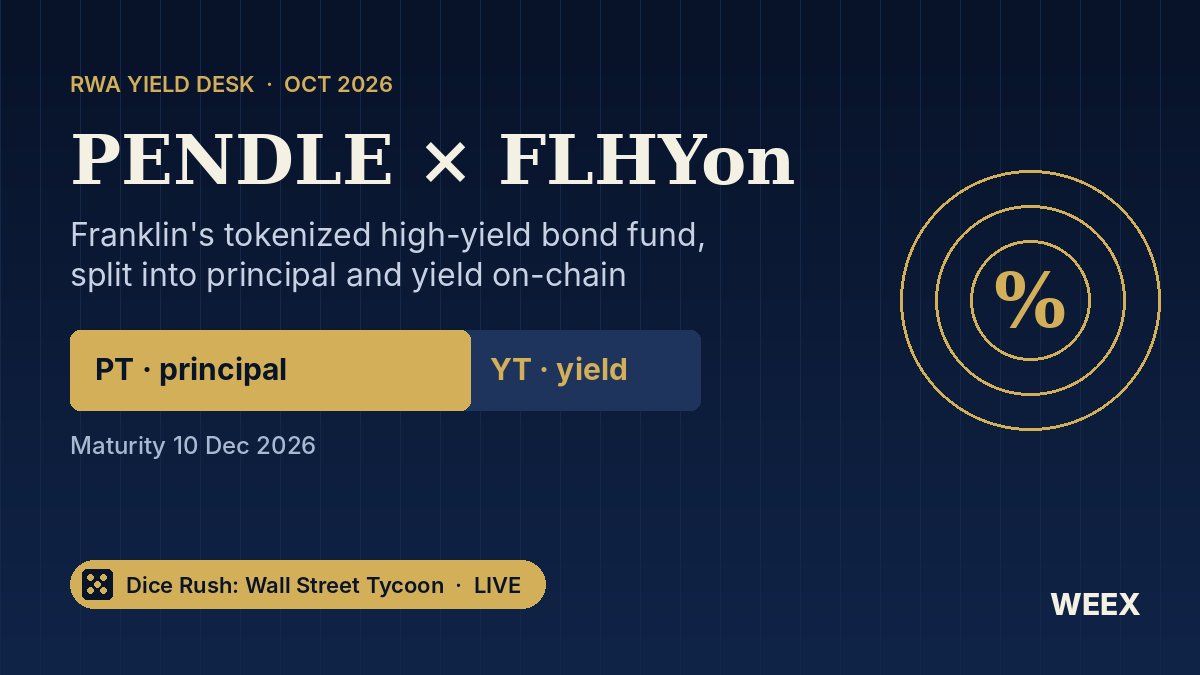
PENDLE Price and FLHYon: What Franklin's Bond Token Changes
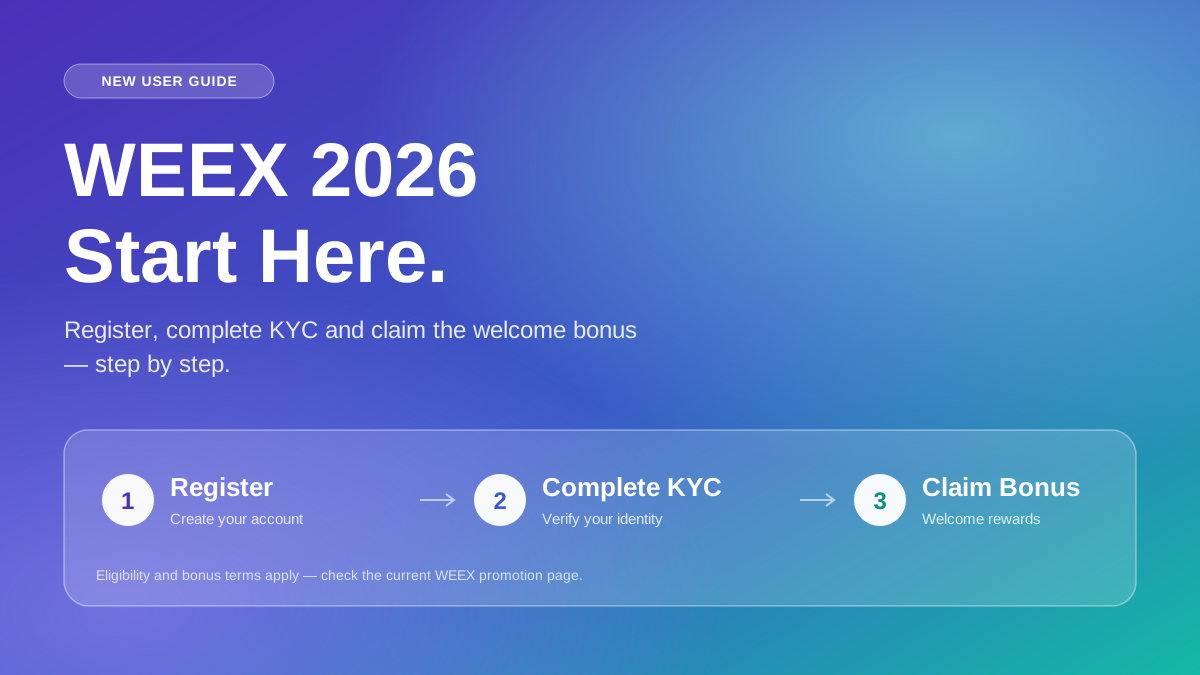
WEEX 2026 New User Guide: Register, Complete KYC, and Claim the Welcome Bonus (Step-by-Step)
WEEX Convert Guide: How to Swap Crypto on Web and App and What the Quote Really Means
ASML Stock Falls Despite a Record Q3 and Higher Outlook: Is the AI Chip Equipment Boom Already Priced In?

SKHY Stock Falls Again: Is the SK Hynix Selloff About China’s CXMT and YMTC or AI Profit-Taking?
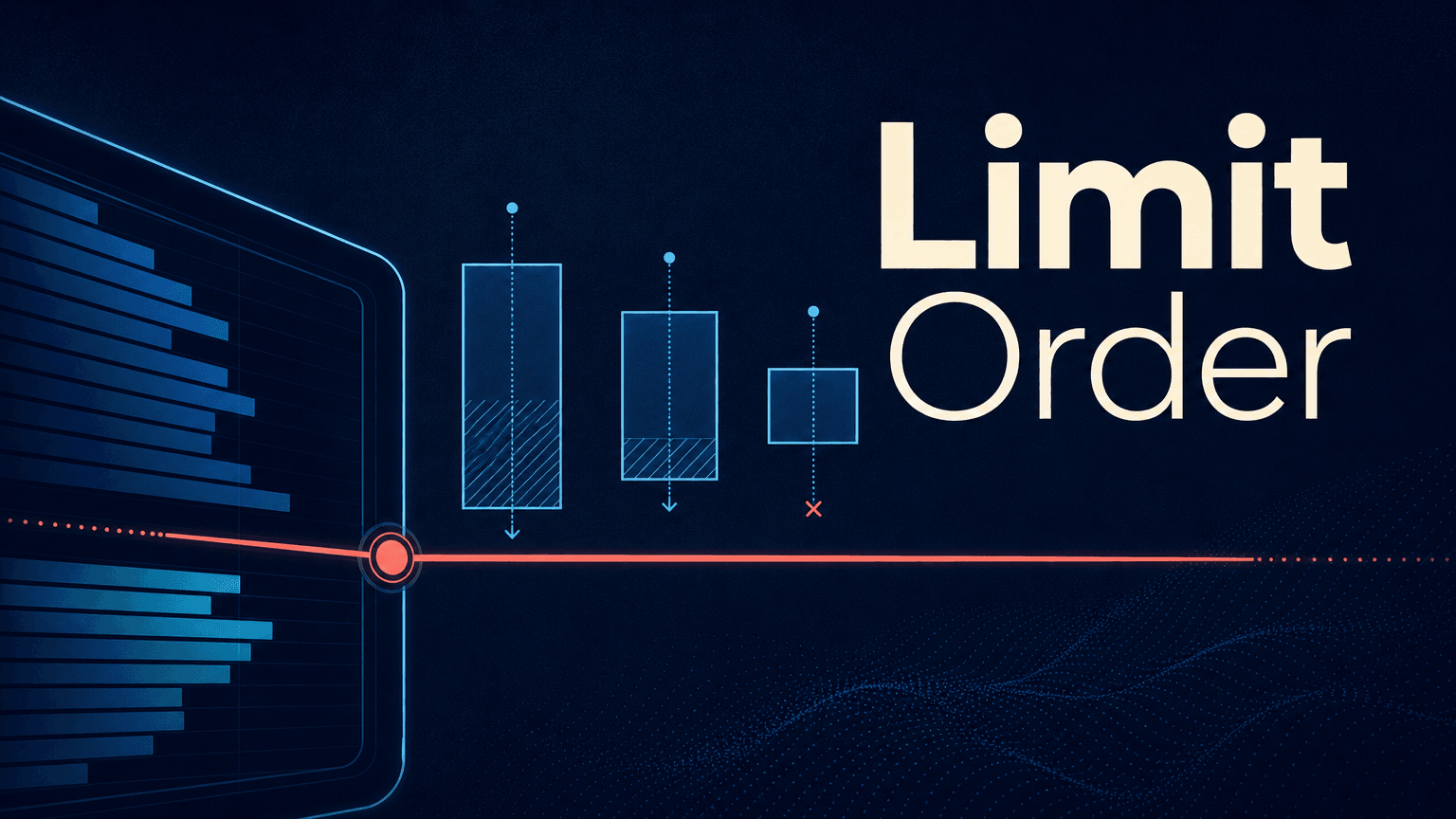
What Is a Limit Order? How It Works and When to Use It
Best Crypto Miner for Beginners: What to Check on Cost, Power, Hashprice and Profit Before You Buy
DeFi Vault vs Staking: Who Controls Your Yield and Your Exit?
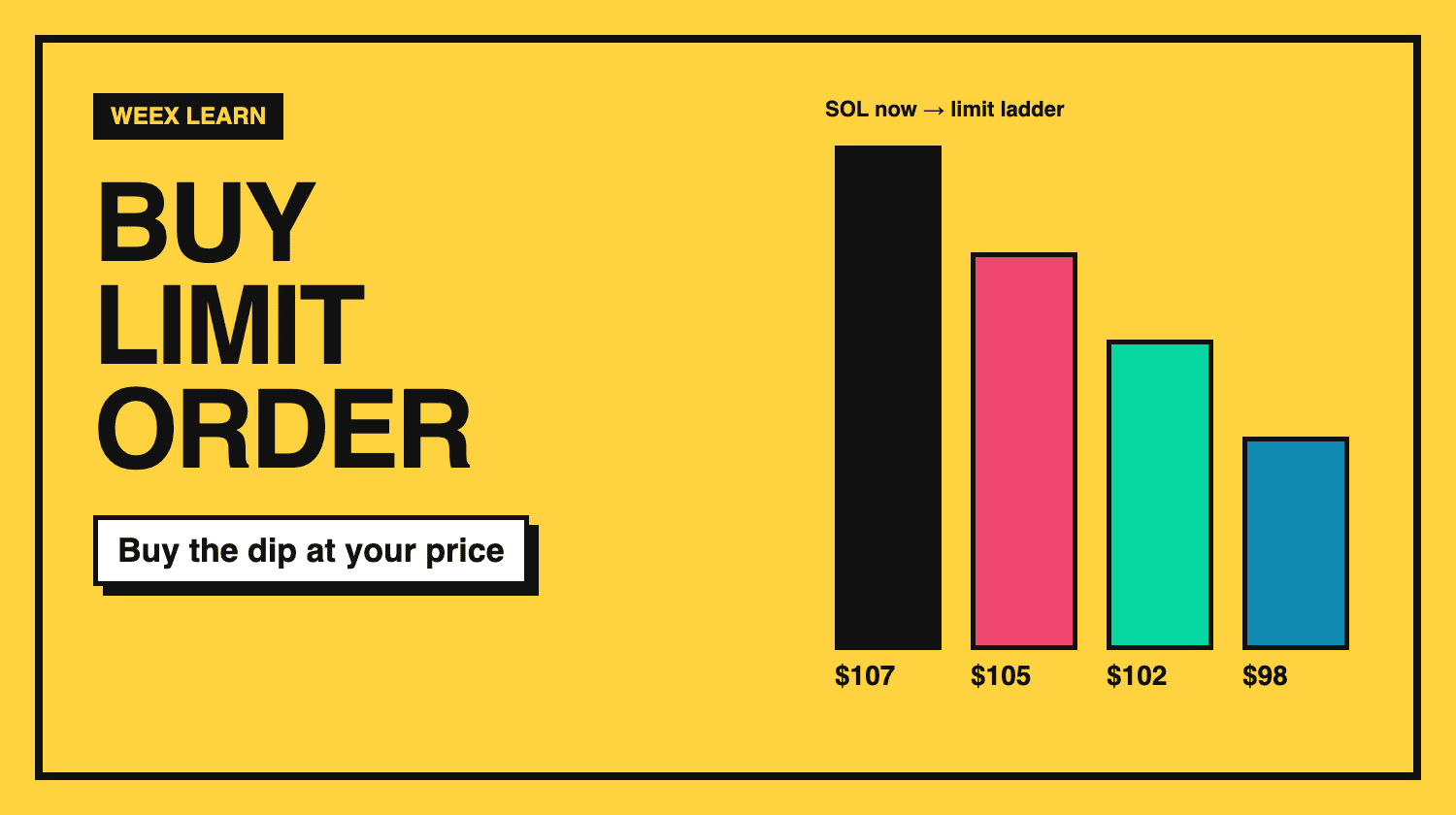
Buy Limit Order: How to Buy Crypto Below the Market Price
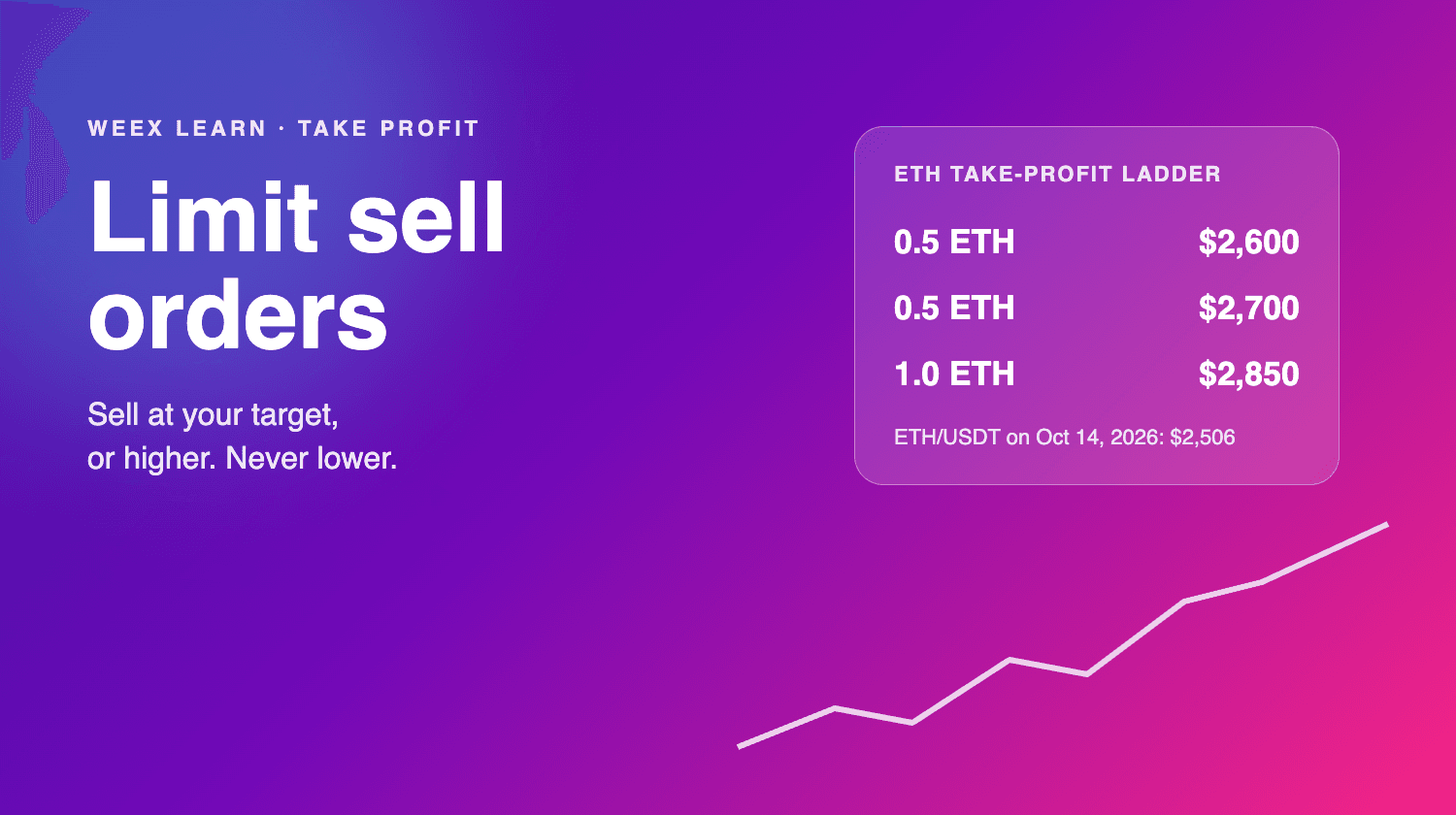
Limit Sell Order: How to Set a Take-Profit Price in Crypto

Limit Order vs Market Order: Which One to Use When Trading Crypto
What is ApeX Protocol (APEX) Coin: A Deep Dive into the DeFi Derivatives DEX
What is Avantis (AVNT) Coin? A Comprehensive Guide to the DeFi & RWA Perpetuals Exchange
What is Tradoor Coin? A Guide to the DeFi Derivatives Platform
Cyberleek Token Risks: Memecoins Tied to Leaks, Anonymous Wallets and Why Verification Matters
Staking APR vs Inflation: How Much of Your Crypto Yield Is Real?
CRWV Stock Swings From -9.5% to +5.9%: Why CoreWeave Reversed