
WEEX Security Alert — Malicious Approval Scam

 Prefer us on Google
What is a Malicious Approval Scam?
Malicious approval scams are among the most widespread and damaging threats in the Web3 space, impacting countless users.
In Web3, when you interact with a smart contract, you are often required to grant permissions by signing a transaction. Common examples include:
- Approving a dApp to access your tokens.
- Granting a contract permission to transfer your NFTs.
- Performing seemingly harmless actions like logging in or verifying ownership
Malicious approval scams exploit these actions by tricking users into granting harmful contracts permission to transfer their assets.
Key Features
- Trick Users into Granting Dangerous Permissions Scammers impersonate legitimate dApps, airdrops, or NFT projects. They lure users into clicking an “Approve” button, which actually authorizes malicious actions like token or NFT access.
- Assets Are Drained Without a Transfer You didn’t send anything—you only clicked “Confirm.” But once approval is granted, attackers can transfer your assets at any time without further action from you.
- Approvals Are Often Unlimited Most malicious contracts request the maximum possible allowance, giving them permanent and unrestricted access to your tokens or NFTs.
- The Contract Is Passive Scam contracts don’t actively steal funds. They rely entirely on users willingly signing approvals, which helps them evade conventional security warnings.
- Misleading Signature Prompts Wallet approval prompts are often overly technical or oversimplified, making it difficult to understand what you’re signing. Many users assume it’s a harmless authorization and confirm without realizing the risk.
Common Scenarios
- Fake Airdrop or NFT Minting Pages Sites promote “limited airdrops” or “free mints.” Clicking the button triggers a request to approve token or NFT access. Once approved, scammers can drain your assets anytime.
- Fake DEX or Swap Platforms You connect your wallet to a fake decentralized exchange to swap tokens. Instead of executing a trade, the site tricks you into approving token access. Your funds are then stolen.
- Fake Staking or Game Platforms You are prompted to “stake tokens” or “start playing” on a deceptive DeFi or GameFi platform. The site requests approval for your tokens or NFTs—but the entire platform is fake.
- Hacked Frontends of Legitimate Projects Attackers compromise trusted websites or hijack DNS records to replace legitimate contracts with malicious ones. Users believe they’re using a real dApp but are actually approving harmful permissions.
- Fake Customer Support or Documentation A fake support agent sends a link claiming to “resolve an issue.” The page asks you to approve a contract, which is actually designed to steal your assets.
How It Works
The core idea behind malicious approvals is simple:
It exploits users’ lack of awareness about on-chain permissions. By misleading you into granting approvals, scammers gain control of your assets and steal them without your knowledge.
Technical Process
A typical malicious approval scam follows these steps:
- Scammer deploys a malicious contract (which does not initiate transfers itself).
- The user is tricked into calling approval (for tokens).
- Approval is granted—assets remain in the wallet temporarily.
- Scammers use functions to move funds into their wallet.
- Since the transaction is user-approved, it is considered valid and is not blocked.
Best Practices to Protect Yourself
Watch for these red flags to avoid malicious approvals:
- The dApp has no real functionality—it, it only prompts for approval.
- It requests access to high-value assets like ETH, stablecoins, or NFTs.
- The approval has no spending limit.
- The signature popup shows high-risk actions.
- The website appears unprofessional or mimics a known project.
- Avoid clicking random links or approving requests from unverified sources like Telegram DMs or Twitter replies.
Conclusion
If you don’t understand it, don’t sign it. If it’s not a trade, think twice before approving.
For everyday users, approving smart contract permissions should be done with extreme caution. Adopt a security-first mindset: treat every approval as potentially transferring funds. Always scrutinize and double-check every authorization before signing.
Further Reading
This content is provided for general informational purposes only and doesn't constitute financial, investment, legal, or tax advice. Any events, rewards, online promotions, or related information mentioned herein should not be considered a recommendation, solicitation, or invitation to purchase, sell, trade, or otherwise deal in any crypto assets. Crypto assets are highly volatile and may result in loss. The availability of WEEX services, products, and related events may vary by region. You are responsible for ensuring that your participation is in accordance with applicable local laws and regulations.
You may also like
Flying Tesla Roadster (FTR) Coin: What Is It and What to Check Before Trading a Roadster Memecoin

Tesla Roadster Performance, Thrust and Rocket Trims: Specs, Price and 2028 Production
Cyberleek Token Risks: Memecoins Tied to Leaks, Anonymous Wallets and Why Verification Matters
Staking APR vs Inflation: How Much of Your Crypto Yield Is Real?
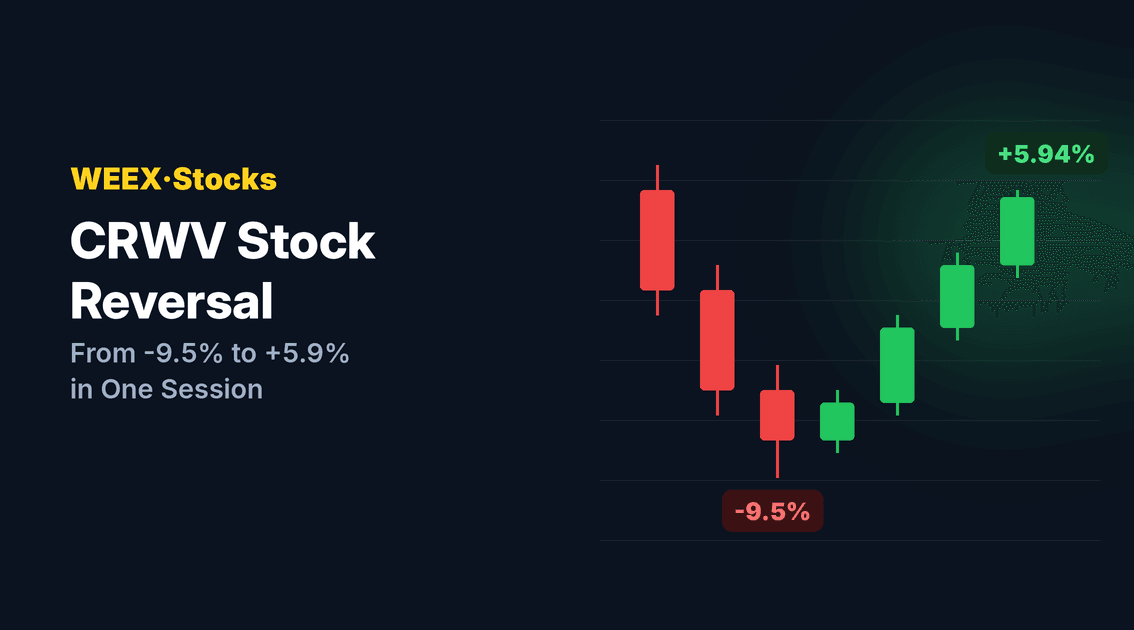
CRWV Stock Swings From -9.5% to +5.9%: Why CoreWeave Reversed
Starknet Independent L1 Vote: What It Really Means for STRK
WEEX Convert Fees: What Zero-Fee Conversion Really Costs You
WEEX Convert Quote: How the 8-Second Price Lock Really Works
WEEX Convert Limits: Minimum and Maximum Amounts Explained
How to Check a WEEX Convert Order: History, Rate and Status
What Is Walrus Coin (WAL)? Why It Is Rising and What Is Still Unconfirmed
PYTH USDT After the 100% Rule: Buyback Mechanics, Overbought Signals and Risks Before Trading
USDC Significant EMT Status in the EU: What Changes on November 12 Under MiCA
APR vs APY in Crypto: Why the Bigger Number Can Mislead You
Walrus (WAL) Jumps 30%: Sui Storage Token Rallies on AI Data
Bitcoin Price After Hot CPI: Why BTC Is Pinned Near $82,000
Sandisk Stock After a 524% Run: Why SNDK Keeps Sliding Now
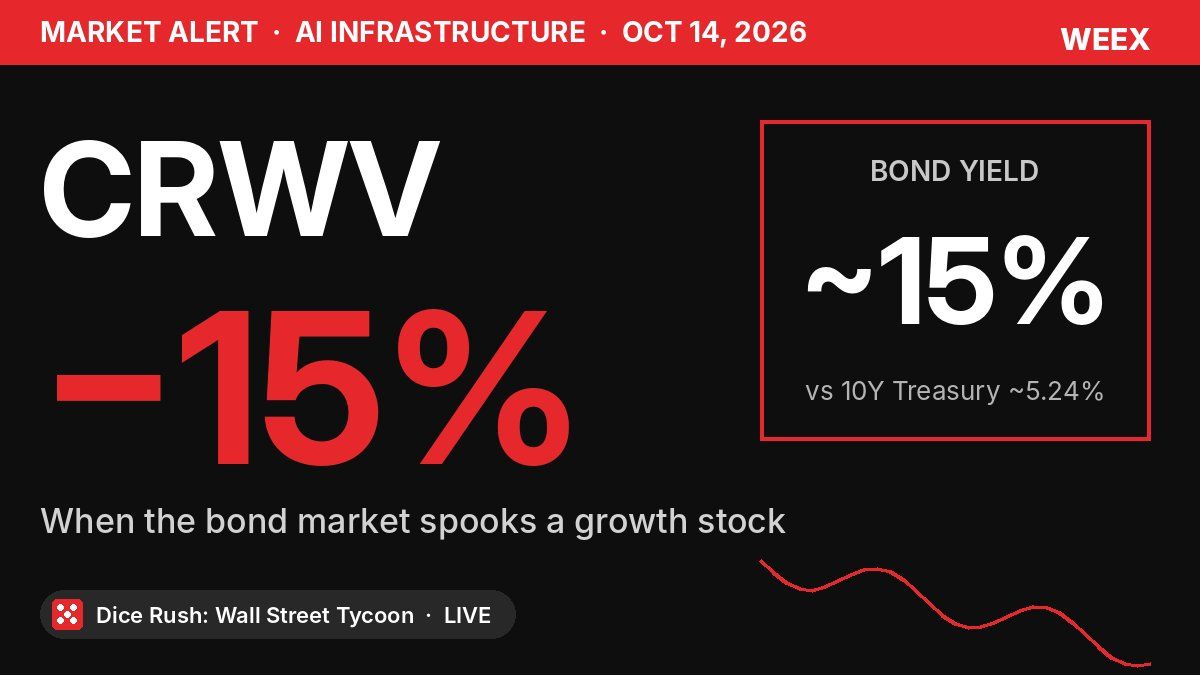
CoreWeave Stock Plunges 15%: Why a Bond Yield Spooked CRWV
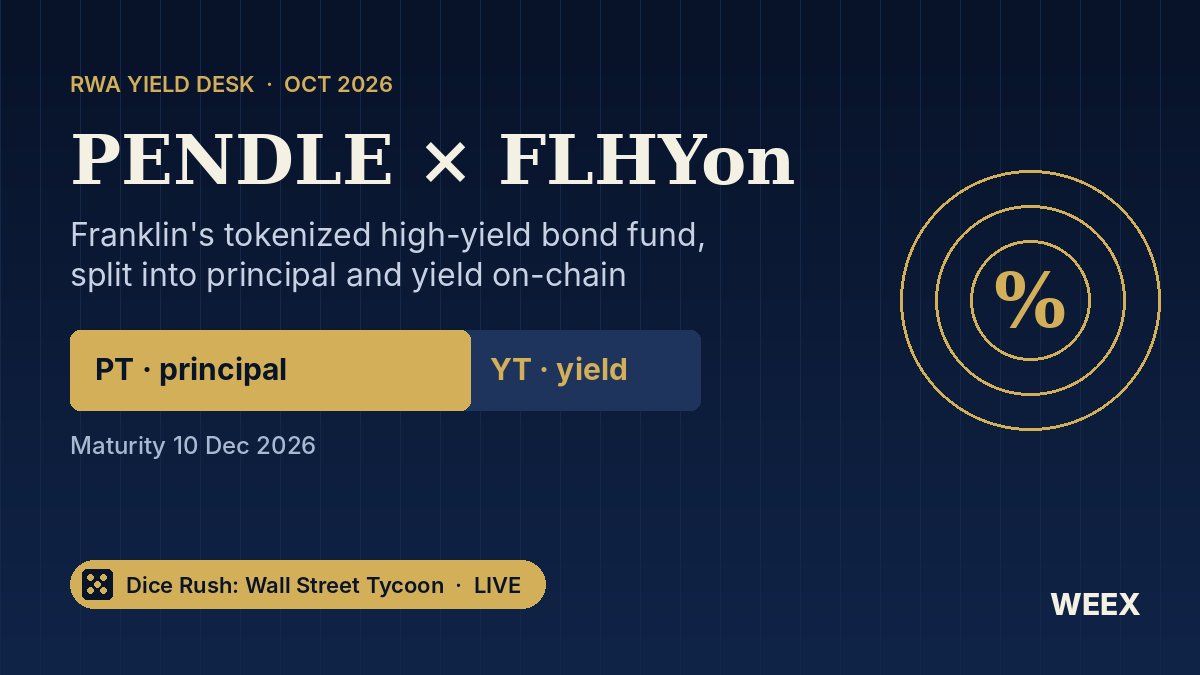
PENDLE Price and FLHYon: What Franklin's Bond Token Changes
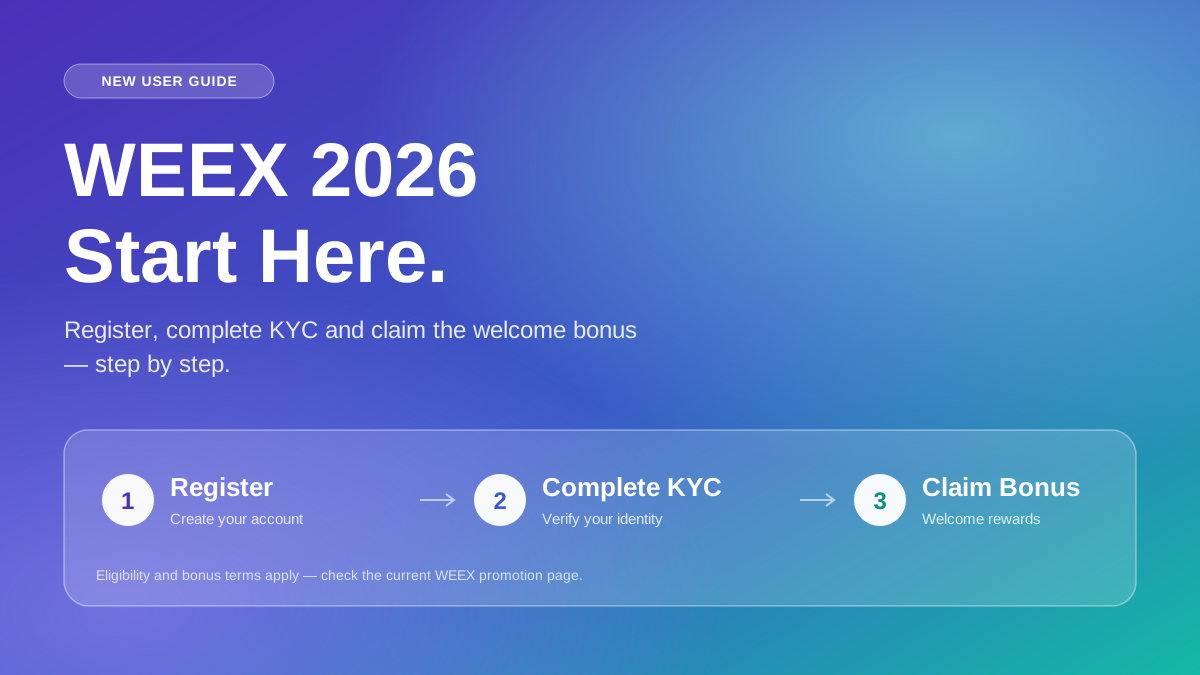
WEEX 2026 New User Guide: Register, Complete KYC, and Claim the Welcome Bonus (Step-by-Step)

WEEX Convert Guide: How to Swap Crypto on Web and App and What the Quote Really Means
ASML Stock Falls Despite a Record Q3 and Higher Outlook: Is the AI Chip Equipment Boom Already Priced In?

SKHY Stock Falls Again: Is the SK Hynix Selloff About China’s CXMT and YMTC or AI Profit-Taking?

What Is a Limit Order? How It Works and When to Use It
Best Crypto Miner for Beginners: What to Check on Cost, Power, Hashprice and Profit Before You Buy
DeFi Vault vs Staking: Who Controls Your Yield and Your Exit?

Buy Limit Order: How to Buy Crypto Below the Market Price
Limit Sell Order: How to Set a Take-Profit Price in Crypto

Limit Order vs Market Order: Which One to Use When Trading Crypto
What Is a Limit Order? How It Works in Crypto With BTC Examples
Flying Tesla Roadster (FTR) Coin: What Is It and What to Check Before Trading a Roadster Memecoin
Tesla Roadster Performance, Thrust and Rocket Trims: Specs, Price and 2028 Production
Cyberleek Token Risks: Memecoins Tied to Leaks, Anonymous Wallets and Why Verification Matters
Staking APR vs Inflation: How Much of Your Crypto Yield Is Real?
CRWV Stock Swings From -9.5% to +5.9%: Why CoreWeave Reversed
Starknet Independent L1 Vote: What It Really Means for STRK
Contents
Popular coins
Latest articles


